
Puppies are bundles of energy, curiosity, and excitement, constantly seeking new ways to explore their world. As a pet parent, one of the most important aspects of caring for your puppy is ensuring they get the right amount of exercise and playtime. Not only is this vital for their physical health, but it also helps with their mental development, socialization, and emotional well-being. Proper exercise and engaging playtime are key to raising a well-rounded and happy puppy.
In this guide, we’ll explore the best ways to keep your puppy active and entertained while ensuring they develop good habits, build their muscles, and bond with you. From ideal activities for different stages of their growth to tips on safety and fun, this guide covers it all.
1. Why Puppy Exercise is Crucial
Exercise is essential for puppies, not just to keep them fit, but to help them grow and develop in a healthy way. Physical activity helps strengthen muscles, improve coordination, and enhance cardiovascular health. It also promotes the proper development of joints and bones, which is especially important in growing puppies. Puppies that lack adequate exercise are more likely to become overweight or face developmental issues.
Moreover, regular exercise is crucial for your puppy’s mental health. A well-exercised puppy is a happier, more balanced puppy. It reduces boredom, anxiety, and destructive behavior, helping to prevent chewing, digging, and excessive barking.
2. Tailoring Exercise to Your Puppy’s Age
The exercise needs of a puppy vary depending on their age, size, and breed. It’s important to tailor their exercise regimen to their developmental stage to avoid over-exertion or injury. Here’s a breakdown of how exercise requirements change as your puppy grows:
- 8–12 Weeks: At this stage, puppies are still very young and should not be overworked. Short, gentle play sessions of around 5 to 10 minutes a few times a day are sufficient. This is the perfect time for introducing them to basic socialization with other puppies, gentle handling, and light play like fetching soft toys or tug-of-war with a cloth rope.
- 3–6 Months: As your puppy gets older, their energy levels will increase, and they’ll be ready for longer periods of activity. Aim for 20 to 30 minutes of play and exercise per session, with two to three sessions a day. At this age, you can introduce more structured activities, such as leash walking, basic training drills, or supervised playtime with other dogs. However, be mindful of their growing bones and joints, especially in larger breeds. Avoid excessive jumping or high-impact exercises at this stage.
- 6–12 Months: Puppies at this stage can handle more intense exercise, and their stamina will start to increase. Playtime sessions can last between 30 and 60 minutes, but it’s important to monitor their energy levels to prevent them from becoming overstimulated or overtired. This is the age where they can handle more rigorous activities like longer walks, runs, and visits to dog parks. Training exercises, such as fetching and agility games, can also be introduced.
- 1 Year and Older: By the time your puppy reaches adulthood, they will have settled into a regular exercise routine. Depending on the breed, they may need 30 to 90 minutes of exercise a day, divided into a couple of sessions. More active breeds like border collies or retrievers may require longer and more strenuous activities, while smaller or less active breeds will have less demanding exercise needs. By this age, you should establish a consistent exercise routine that fits both their energy level and your lifestyle.
3. Types of Exercise and Playtime Activities
Now that you understand the importance of exercise and the different requirements based on your puppy’s age, let’s dive into the types of activities that will keep your puppy engaged and active.
- Walks and Hikes: Regular walks are one of the best ways to keep your puppy physically active. Depending on your puppy’s age and breed, walks can be short and gentle or longer and more adventurous. As your puppy grows, you can gradually increase the length of your walks. If you live near nature trails, consider taking your puppy on gentle hikes to introduce them to new environments and smells.
- Fetch: A game of fetch is a classic, high-energy activity that most puppies love. It helps build coordination and endurance while also providing mental stimulation as your puppy learns to retrieve and bring the toy back. Start with a soft toy or a ball and gradually increase the distance as your puppy gets better at fetching. Keep in mind that short, frequent fetch sessions are better than long, exhausting ones to avoid injury.
- Tug-of-War: This is a fantastic interactive game that engages your puppy’s muscles and provides an opportunity for bonding. Use a sturdy, puppy-safe rope or tug toy and encourage your puppy to pull and tug while you hold the other end. This game can help with their bite strength and teach them boundaries, as it’s important to teach your puppy to release the toy when asked.
- Social Play: Socialization with other puppies and well-behaved adult dogs is vital for your puppy’s emotional and social development. Visits to dog parks or playdates with other dogs can teach your puppy valuable social skills and help them burn off energy in a safe and supervised environment. Just be sure to monitor the interactions to ensure everyone is playing appropriately.
- Training Exercises: Incorporating training into your puppy’s playtime is a great way to engage their mind while also providing physical exercise. Basic obedience commands like “sit,” “stay,” “come,” and “heel” can be incorporated into your puppy’s daily exercise routine, offering both mental stimulation and physical activity. Once your puppy has mastered the basics, you can introduce more advanced tricks or agility exercises.
- Puzzle Toys: For mental stimulation, puzzle toys or treat-dispensing toys are a great option. These toys challenge your puppy to think and problem-solve, keeping them engaged when they’re not running around. Puzzle toys come in various difficulty levels, so you can adjust them to suit your puppy’s developmental stage.
4. Safety Tips for Exercising Your Puppy
While exercise is crucial, it’s important to keep your puppy’s safety in mind during playtime. Here are some tips to ensure that your puppy is getting the best out of their exercise sessions:
- Avoid Over-exercising: Puppies have a lot of energy, but they also have growing bodies that are prone to injury. Never force your puppy to exercise for extended periods, especially before they’ve reached full maturity. Over-exercising can cause joint and muscle problems that may affect their long-term health.
- Hydration: Always provide fresh water before, during, and after playtime. Puppies can get overheated quickly, especially in warmer weather, so it’s important to keep them hydrated during active play.
- Monitor for Injury: Keep an eye on your puppy for signs of fatigue or discomfort. If they’re limping, panting heavily, or showing signs of distress, it’s important to stop the activity and allow them to rest. Puppies are often too excited to stop playing on their own, so it’s your responsibility to watch for signs that they need a break.
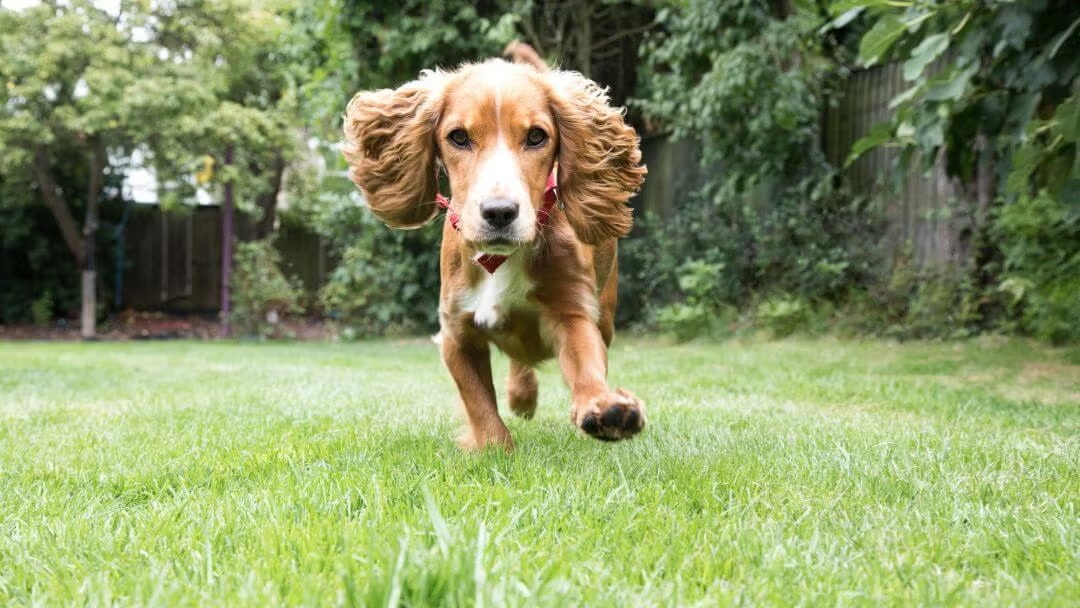
- Gentle Surfaces: When playing fetch or engaging in any high-impact activities, make sure your puppy is playing on a soft surface like grass rather than hard pavement. Hard surfaces can be tough on developing joints and bones.
5. Establishing a Routine
Consistency is key when it comes to puppy exercise. Establishing a routine for exercise and playtime helps your puppy understand when it’s time to burn off energy and when it’s time to rest. A consistent schedule also helps your puppy feel secure and mentally stimulated, which contributes to their overall well-being.
By following this guide and ensuring that your puppy gets the right mix of physical and mental stimulation, you can help them grow into a healthy, happy, and well-adjusted adult dog. Remember, exercise isn’t just about burning off energy—it’s about building a strong foundation for your puppy’s overall health and happiness.