

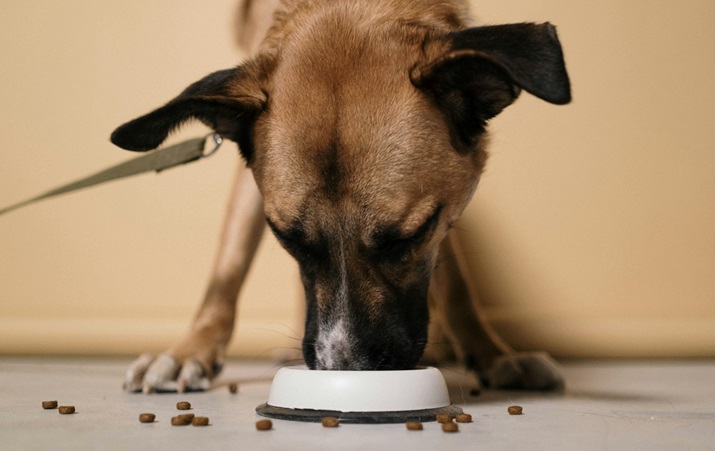
When you bring a puppy into your home, one of the most crucial responsibilities is ensuring they receive proper nutrition. Just as human infants require specialized diets for growth and development, puppies need specific nutrients to support their rapid growth, energy levels, and overall well-being. A balanced diet tailored to their unique needs is essential for setting the foundation for a healthy life. Understanding what your puppy should eat and how to provide it is the first step in raising a healthy, happy dog.
1. The Importance of Puppy-Specific Food
Puppies have different nutritional needs than adult dogs, and feeding them adult dog food can lead to nutritional imbalances. Puppy food is specially formulated to provide the appropriate levels of calories, protein, fat, vitamins, and minerals required for growth. During their first year, puppies experience rapid physical development, including the growth of bones, muscles, and organs. Feeding them food that is designed for puppies ensures that they receive the essential nutrients needed to support these processes.
Puppy food is also easier to digest and is designed to be more energy-dense to keep up with the high metabolism of young dogs. These formulas typically contain higher amounts of protein and fat, which are necessary to fuel their active lifestyles.
2. Key Nutrients for Puppy Growth
Understanding the essential nutrients in your puppy’s food is vital to ensuring they grow and develop optimally. These nutrients include:
- Protein: Protein is the building block of your puppy’s body. It is necessary for muscle development, immune function, and the production of enzymes and hormones. High-quality protein sources such as chicken, lamb, turkey, or fish should be listed as the first ingredient on the food label. Puppies generally require more protein than adult dogs, with protein content ranging from 22% to 32%, depending on the breed.
- Fat: Fat is another important nutrient that supports energy levels, brain development, and healthy skin and coat. It also helps with the absorption of fat-soluble vitamins like A, D, E, and K. Puppy food typically contains more fat than adult formulas, often ranging from 8% to 20%. Healthy sources of fat include chicken fat, fish oil, and flaxseed oil.
- Carbohydrates: While protein and fat are the primary sources of energy, carbohydrates are also essential for puppies. They provide sustained energy and fiber, which aids in digestion. Common sources of carbohydrates in puppy food include rice, oats, and sweet potatoes.
- Vitamins and Minerals: Puppies need a balanced supply of vitamins and minerals to support their immune system, bone growth, and metabolic functions. Key minerals like calcium and phosphorus are critical for healthy bone development, while vitamins like A, D, and E help maintain eye health, skin health, and overall immunity.
- Omega Fatty Acids: These essential fatty acids, particularly Omega-3 and Omega-6, support brain development, joint health, and a shiny coat. Sources like fish oil and flaxseed oil are commonly included in high-quality puppy foods.
3. Choosing the Right Type of Puppy Food
There are several types of puppy food to choose from, each catering to different dietary preferences and needs. Understanding the differences between these options will help you make an informed decision for your puppy.
- Dry Kibble: Dry food is one of the most common and affordable options for puppies. It’s convenient, easy to store, and helps promote dental health by reducing plaque buildup. However, not all kibble is created equal, and it’s essential to choose high-quality brands that list meat as the first ingredient and avoid excessive fillers like corn or soy.
- Wet Food: Wet or canned food often contains more protein and fewer carbohydrates than kibble, making it a good choice for puppies with sensitive stomachs or those who struggle to maintain a healthy weight. Wet food is typically more expensive and can spoil quickly once opened, so it may require more careful planning.
- Raw Diet: A raw food diet, also known as the “BARF” diet (Biologically Appropriate Raw Food), consists of raw meat, bones, vegetables, and fruits. Some pet owners choose this option to mimic a more natural feeding approach, though it requires extra effort to ensure nutritional balance and safety. Consulting a veterinarian before switching to a raw diet is advisable, as improper handling of raw food can lead to bacterial contamination.
- Home-cooked Meals: Preparing homemade meals for your puppy is another option, although it can be time-consuming and requires careful planning to ensure proper nutrient balance. Homemade puppy food should be prepared under the guidance of a veterinarian or pet nutritionist to ensure that your puppy receives the right nutrients in the correct proportions.
4. Feeding Frequency and Portion Control
Puppies have small stomachs and need to eat more frequently than adult dogs. Generally, puppies under six months old should be fed three to four times a day, while older puppies can transition to two meals per day. The frequency of feeding should gradually decrease as your puppy grows into adulthood.
Proper portion control is crucial to prevent overfeeding or underfeeding, both of which can lead to health issues. Always follow the feeding guidelines on your puppy’s food label, which are based on your puppy’s age, weight, and expected adult size. These guidelines will help you determine the correct amount of food to provide each day.
Regularly monitor your puppy’s body condition and adjust their portions as necessary. You should be able to feel their ribs easily without excessive fat covering them. If your puppy seems too thin or too heavy, you can adjust the portion size accordingly.
5. Water Is Essential
Puppies need access to fresh, clean water at all times. Hydration is crucial for healthy digestion, temperature regulation, and overall bodily function. Ensure that your puppy always has a clean bowl of water, especially after meals and play sessions. Puppies tend to drink more water after eating, so make sure water is readily available throughout the day.
6. Treats and Supplements
Treats are a great way to reward your puppy for good behavior, but they should be given in moderation. Treats should not make up more than 10% of your puppy’s daily caloric intake. Additionally, when choosing treats, look for ones that are specifically formulated for puppies, as they are usually smaller in size and provide appropriate nutrients.
While supplements can be beneficial, they should only be used under the advice of a veterinarian. In most cases, high-quality puppy food will provide all the nutrients your puppy needs. However, certain situations, such as specific health concerns or dietary restrictions, may require additional supplements.
7. Consulting with Your Veterinarian
Every puppy is unique, and their nutritional needs can vary depending on factors like breed, size, activity level, and health. Regular check-ups with your veterinarian are essential to ensure your puppy’s diet is meeting their needs. Your vet can offer advice on portion sizes, the best food choices, and any special dietary requirements your puppy may have.
Conclusion
Proper puppy nutrition lays the foundation for a long, healthy life. By feeding your puppy a well-balanced diet tailored to their specific needs, you ensure they grow up strong and full of energy. Whether you choose dry kibble, wet food, or homemade meals, always prioritize high-quality ingredients and consult with your veterinarian to create the best possible feeding plan. By staying informed about puppy nutrition, you’re making an investment in your puppy’s future well-being.