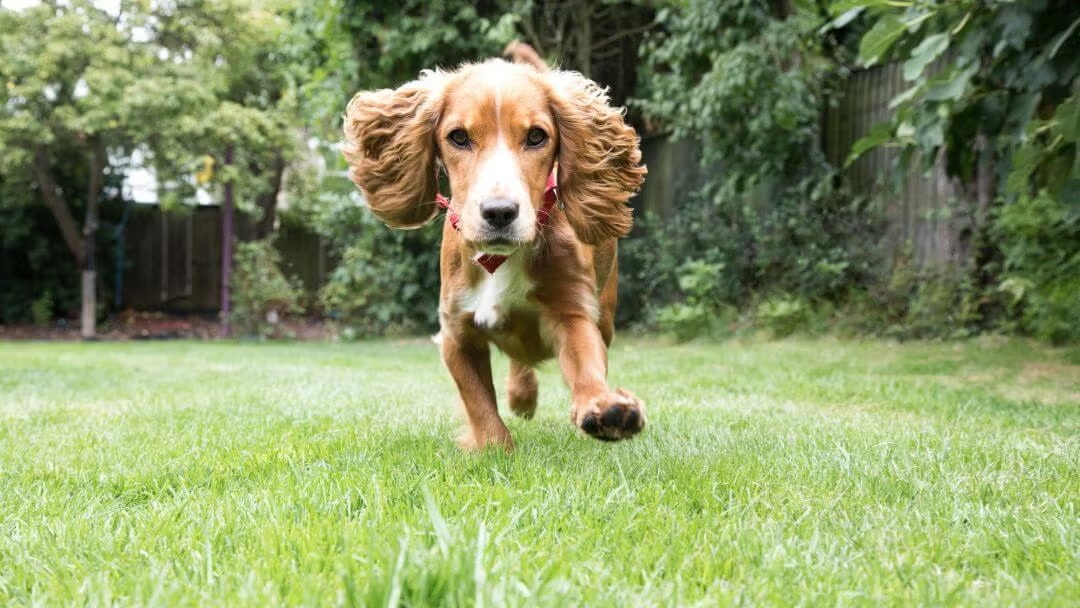

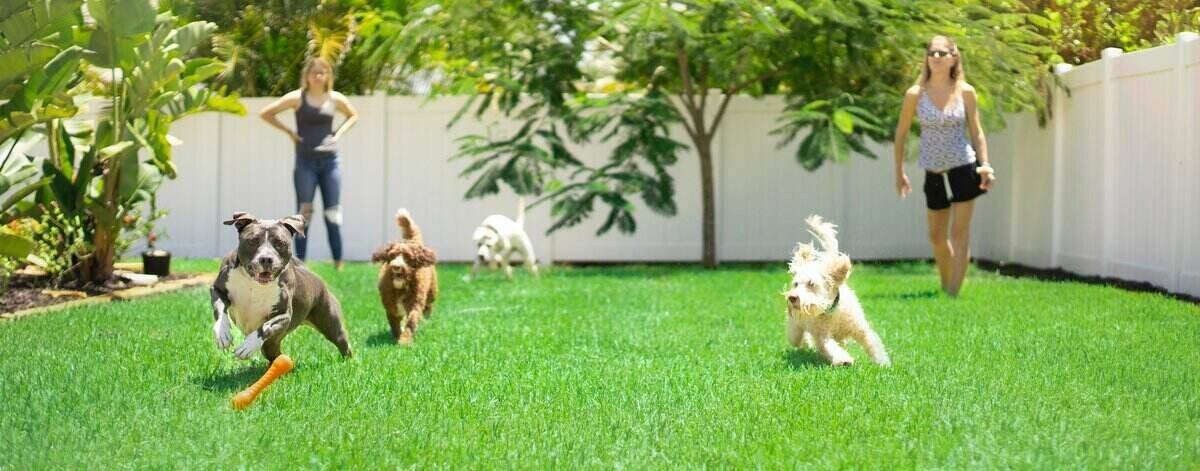
Welcoming a new puppy into your home is an exciting occasion, and creating a safe, secure, and enjoyable environment for them to explore is a top priority. A backyard offers the perfect setting for your puppy to play, exercise, and socialize, but it can also present hidden dangers. Whether you have a sprawling lawn or a small patio, puppy-proofing your outdoor space is essential to ensuring that your furry friend is safe and happy. Here’s a detailed guide to help you make your backyard a secure and fun place for your puppy.
1. Secure the Perimeter: Fence and Gates
One of the first steps in puppy-proofing your backyard is ensuring that the boundaries are secure. A fence is essential to prevent your puppy from wandering off and getting into trouble. Puppies are naturally curious and may try to explore areas outside your yard. Here’s what you should consider:
- Fence Height and Stability: Ensure that the fence is tall enough to prevent your puppy from jumping over. A fence of at least 4 feet is recommended, but this can vary depending on the breed and size of your puppy. Some dogs are excellent jumpers, so you may need a taller fence for more agile breeds. Additionally, make sure the fence is sturdy and without gaps that could allow your puppy to slip through or dig under.
- Gate Safety: Check that the gates are securely closed and cannot be easily opened by your puppy. Some puppies may be strong enough to push open an unsecured gate or even squeeze through gaps, so make sure the gates are tightly latched and not easily tampered with.
2. Remove Toxic Plants
Many common plants can be toxic to dogs, and puppies, in particular, tend to chew on everything they find. It’s essential to ensure that your backyard is free of any harmful plants that could cause your puppy serious health problems. Some plants that are toxic to dogs include:
- Oleander: This flowering shrub is highly toxic and can cause severe heart issues if ingested.
- Azaleas: Known for their bright flowers, azaleas can cause vomiting, diarrhea, and even a coma in severe cases.
- Sago Palm: This decorative plant can lead to liver failure and death if consumed.
Before letting your puppy roam freely, research the plants in your garden and remove any that are harmful. If you are unsure whether a plant is safe, it’s best to remove it or place it in an area that your puppy cannot reach.
3. Create a Safe and Comfortable Space for Play
Your puppy will want to run, jump, and explore, so it’s important to provide a designated area where they can do so safely. This space should be free from sharp objects, such as broken glass or discarded tools. You can create a comfortable and safe play area by:
- Soft Ground Covering: Consider adding grass, artificial turf, or rubber mats to soften the ground. Hard surfaces like concrete can be tough on a puppy’s growing joints and may cause injury during playtime.
- Puppy-Friendly Toys: Place a variety of durable toys in your backyard to keep your puppy engaged. Chew toys, balls, and tug ropes will not only entertain your puppy but also help prevent them from chewing on dangerous objects.
- Shade and Shelter: Puppies, especially those with short coats, are prone to overheating. Provide shade by planting trees or installing a gazebo, umbrella, or doghouse. This will give your puppy a cool place to rest when they need a break from the sun.
4. Watch for Dangerous Tools and Equipment
Your backyard may house gardening tools, lawnmowers, fertilizers, and other equipment that could pose a hazard to your puppy. To ensure your puppy’s safety:
- Store Tools Properly: Always store tools such as shovels, rakes, and hoes in a shed or high place where your puppy cannot reach them. These tools can be dangerous if your puppy tries to chew on them or knock them over.
- Keep Chemicals Out of Reach: Fertilizers, pesticides, and weed killers may seem like standard garden supplies, but many contain chemicals that are harmful if ingested by your puppy. Store these products in a locked cabinet or high shelf, and make sure your puppy cannot access them.
- Lawnmower Safety: When using lawnmowers or other machinery, ensure that your puppy is kept inside or in a secure area away from the noise and moving parts. Even when turned off, these machines can be dangerous to curious puppies.
5. Supervise Playtime
While it’s important to create a safe environment, supervision is equally crucial. Puppies are naturally curious and energetic, and they may encounter hazards that are hard to foresee. Whether you’re in the backyard for a few minutes or a few hours, keep an eye on your puppy at all times. Here’s why:
- Accidental Injuries: Even with a puppy-proofed yard, your puppy may trip, slip, or get tangled in something. Regular supervision ensures that you’re there to intervene in case of an accident.
- Chewing Hazard: Puppies often chew on anything they can find, including sticks, rocks, and other debris. By watching them, you can stop them before they ingest something harmful or choke on an object.
6. Puppy-Proof the Pool Area
If your backyard includes a swimming pool, special precautions should be taken. Pools can be dangerous for puppies, especially if they aren’t accustomed to water or don’t know how to swim. Here are some ways to make the pool area safe:
- Fence Around the Pool: A fence around the pool area is crucial to prevent your puppy from falling in when you’re not looking. The fence should be at least 4 feet tall and have a self-closing, self-latching gate that is out of your puppy’s reach.
- Teach Water Safety: If you plan to introduce your puppy to water, be sure to do so gradually and under supervision. Not all puppies enjoy swimming, and some may panic if they fall into the pool unexpectedly.
7. Regular Maintenance and Inspections
Your backyard should be a constantly evolving space to ensure the safety of your puppy. Regularly inspect the area for any new hazards, including holes in the fence, new toxic plants, or sharp objects that have appeared after a storm. Maintain the yard by trimming shrubs, keeping the grass mowed, and removing any debris that could pose a danger to your puppy.
8. Training Your Puppy to Stay in the Yard
Even the safest backyard requires some level of training to ensure your puppy stays within the boundaries. Teach your puppy to respect the limits of the yard by using positive reinforcement techniques. Reward your puppy for staying in the yard and gradually increase their freedom as they become more reliable.
Final Thoughts
Puppy-proofing your backyard is an essential task for any pet owner who wants to provide their puppy with a safe, enjoyable space to explore. By securing the perimeter, removing toxic plants, providing a comfortable play area, and eliminating hazards, you can ensure your puppy enjoys their outdoor time without unnecessary risks. With regular supervision, training, and maintenance, your backyard can become a paradise for your puppy to play and grow in safety.