
The natural world operates as a complex, highly interconnected web where every organism plays a specific role. From the microscopic bacteria in the soil to the blue whales in the ocean, living creatures rely on one another to survive. Among these organisms, animals serve as dynamic drivers of ecological stability. They are not merely passive residents of their habitats; they are active managers, engineers, and regulators of the Earth’s ecosystems. Understanding the diverse functions animals perform highlights the absolute necessity of wildlife conservation for the preservation of our planet.
Keystone Species and Ecosystem Engineers
Some animals carry a disproportionate amount of responsibility for the health of their environments. These are known as keystone species. If a keystone species is removed from an ecosystem, the entire structure often collapses or changes drastically, frequently leading to a loss of biodiversity.
The Impact of Apex Predators
Apex predators sit at the top of the food chain and regulate the populations of prey species. A classic example of this dynamic occurred in Yellowstone National Park with the eradication and subsequent reintroduction of gray wolves.
When wolves were removed from the park in the early twentieth century, the elk population surged. Without a major predator to keep them moving, elk overgrazed the riverbanks, destroying young willow, aspen, and cottonwood trees. This loss of vegetation led to severe soil erosion and eliminated the habitats needed by birds and beavers.
When wolves were reintroduced in 1995, they changed elk behavior and reduced their numbers. The vegetation recovered, rivers stabilized, and a cascade of positive ecological effects restored the park’s health. This phenomenon, known as a trophic cascade, demonstrates how top-down regulation by predators maintains the physical and biological integrity of an entire landscape.
Animals as Habitat Creators
Ecosystem engineers are animals that physically modify, create, or maintain habitats. Beavers are arguably the most famous example of this category. By cutting down trees and building dams, beavers alter the flow of rivers and create extensive wetlands.
These newly formed ponds and marshes provide essential habitats for countless species, including fish, amphibians, waterfowl, and insects. Furthermore, beaver dams act as natural water filtration systems, trapping sediment and reducing the downstream impact of floods and droughts. Without the physical labor of these rodents, many specialized wetland ecosystems would simply cease to exist.
The Essentials of Pollination and Seed Dispersal
The reproduction of flowering plants and trees relies heavily on the behavior of animals. Without the mutualistic relationships between wildlife and flora, global vegetation would decline, disrupting the foundational layers of the food web.
The Invisible Work of Pollinators
Pollination is critical for the production of fruits, seeds, and next-generation plants. While wind handles some of this work, the vast majority of flowering plants depend on animal vectors. Insects like bees, butterflies, beetles, and flies, alongside birds and bats, transfer pollen from the male parts of flowers to the female parts as they forage for nectar.
-
Bees: They are the primary pollinators for thousands of plant species, including many crops that sustain human life.
-
Bats: In arid and tropical regions, nectar-feeding bats pollinate nocturnal flowers, including species of agave and wild bananas.
-
Birds: Hummingbirds and honeyeaters target brightly colored, tubular flowers, facilitating the reproduction of diverse forest flora.
The loss of these pollinators directly threatens the survival of wild plants and severely compromises global agricultural systems.
Seed Dispersal and Forest Regeneration
Once pollination is successful, plants face the challenge of spreading their seeds far enough away from the parent plant to avoid competition for sunlight, water, and soil nutrients. Animals act as highly efficient transport networks for these seeds.
Frugivores, or fruit-eating animals like monkeys, toucans, hornbills, and bears, consume fruits and later deposit the seeds in their droppings, often miles away from the source. The digestive enzymes of these animals frequently help scarify the seed coats, making it easier for the seeds to germinate once excreted in nutrient-rich feces.
Similarly, scatter-hoarding animals like squirrels and jays bury acorns and nuts to save for winter. Because they inevitably forget the locations of some of these caches, millions of new trees are planted every year, ensuring the continuous regeneration of temperate and tropical forests.
Nutrient Cycling and Soil Health
The movement of nutrients through an ecosystem is vital for sustaining plant growth and overall productivity. Animals are crucial agents in this recycling process, transferring vital elements across vast distances and breaking down organic matter.
Oceanic and Terrestrial Transporters
In the oceans, large marine mammals like whales engage in what scientists call the whale pump. Whales dive deep into the ocean to feed on krill and small fish, then return to the surface to breathe and excrete waste. Their fecal plumes are incredibly rich in iron and nitrogen, nutrients that are otherwise scarce in surface waters. This waste fertilizes phytoplankton, the microscopic plants that form the base of the marine food web and produce a significant portion of the world’s oxygen.
On land, migratory herds of wildebeest, zebras, and caribou transport nutrients across entire continents. As they graze, they deposit urine and dung over thousands of miles, redistributing nitrogen and phosphorus throughout the soil. This natural fertilization ensures that grasslands remain vibrant and capable of supporting diverse herbivore populations.
The Decomposers and Detritivores
While large animals move nutrients across large distances, smaller creatures work at the ground level to process waste. Detritivores like earthworms, dung beetles, and millipedes consume dead organic matter, including fallen leaves, rotting wood, and animal carcasses.
-
Dung Beetles: By burying animal feces to feed their larvae, dung beetles remove waste from the surface, reduce pest populations like flies, and enrich the deep layers of the soil with nitrogen.
-
Earthworms: As earthworms burrow through the earth, they consume soil and organic debris, aerating the ground and allowing water and oxygen to reach plant roots. Their castings are rich in bioavailable nutrients that plants need to thrive.
Without these underground workers, ecosystems would become choked with waste, and the soil would lose the fertility required to support plant life.
Pest and Disease Regulation
An ecosystem in balance naturally controls populations that might otherwise become destructive. Animals function as natural pest control agents, preventing specific populations from expanding to numbers that cause widespread disease or defoliation.
Insectivorous birds, bats, and amphibians consume billions of insects daily. A single bat can eat thousands of mosquitoes and agricultural pests in a single night, reducing the need for chemical pesticides and lowering the transmission rates of vector-borne illnesses.
In aquatic environments, small fish and invertebrates feed on algae. If these populations are decimated by overfishing or pollution, algae can grow out of control, causing algal blooms that deplete oxygen levels in the water and suffocate other marine life. The predatory habits of animals keep these population spikes in check, preserving balance and stability.
Frequently Asked Questions
How do burrowing animals contribute to the health of an ecosystem?
Burrowing animals like prairie dogs, badgers, and gophers loosen compacted soil, which increases water infiltration and reduces surface erosion. Their underground tunnels aerate the earth, allowing plant roots to access oxygen more easily. Additionally, vacated burrows provide essential shelter and nesting sites for other wildlife, such as burrowing owls, amphibians, and various reptiles.
What happens to a habitat if an ecosystem engineer is removed?
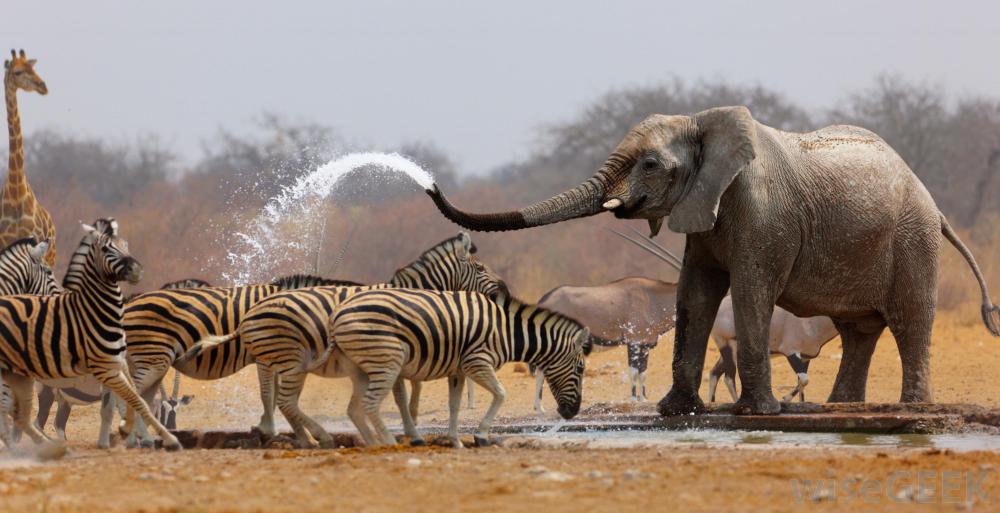
When an ecosystem engineer is removed, the physical structure of the habitat alters dramatically. For example, without elephants to knock down trees and clear brush, grasslands can transform into dense woodlands, making the environment uninhabitable for native grazers like antelopes. The removal of these engineers leads to a sharp decline in habitat diversity and a subsequent loss of specialized species.
Do scavenger animals serve a purpose beyond cleaning up dead organisms?
Yes, scavengers like vultures, hyenas, and condors are vital for disease prevention. Their highly acidic digestive systems allow them to consume rotting carcasses infected with dangerous pathogens like anthrax, cholera, and rabies without falling ill. By quickly consuming carrion, they eliminate breeding grounds for disease-carrying insects and prevent harmful bacteria from leaching into local water sources.
Can the overpopulation of a single animal species damage the environment?
Yes, when a species overpopulates, usually due to the loss of natural predators or human interference, it can degrade an ecosystem through overconsumption. For instance, an overabundance of deer can lead to the overgrazing of understory vegetation in forests, preventing new trees from growing and destroying the habitats of ground-nesting birds and insects.
How do amphibians indicate the overall health of an ecosystem?
Amphibians have highly permeable skin that absorbs moisture and gases directly from their surroundings. Because they are exceptionally sensitive to changes in water and air quality, a sudden decline in amphibian populations serves as an early warning sign of environmental degradation, such as chemical pollution, habitat fragmentation, or climate shifts.
How do predatory insects maintain balance in backyard and agricultural ecosystems?
Predatory insects like ladybugs, lacewings, and praying mantises feed on common pests such as aphids, mites, and caterpillars. By regulating these pest populations, they prevent widespread damage to vegetation and crops, minimizing the necessity for synthetic chemical treatments that can harm beneficial organisms and run off into local waterways.