
The natural world is home to an extraordinary variety of animal communities, each with its unique social structure. These structures govern how animals interact, cooperate, and compete, ensuring survival and continuity. From intricate hierarchies to cooperative behaviors, understanding these systems reveals a deeper appreciation for the complexity of life in the wild.
Hierarchical Systems: Order and Authority
Many animal communities rely on hierarchical structures to maintain order and manage resource distribution. These hierarchies often determine roles within the group and establish authority.
- Alpha Leadership: In groups such as wolf packs, an alpha pair leads and makes decisions for the pack. This structure minimizes conflict and ensures coordinated hunting efforts. The alpha pair is often responsible for reproduction, preserving the genetic strength of the group.
- Dominance Hierarchies: Among primates like baboons, a rank system dictates access to food, mates, and shelter. These hierarchies are dynamic, often influenced by age, strength, and alliances, creating a constantly shifting balance of power.
- Pecking Orders in Birds: Chickens and other bird species establish pecking orders to prioritize access to food. This reduces in-group fighting and promotes a stable social environment.
Cooperative Communities: Strength in Numbers
Some species thrive through cooperation, pooling resources and efforts to overcome challenges. These communities exemplify how teamwork can benefit all members.
- Hunting Together: Lions and dolphins exemplify the power of cooperative hunting. Lions coordinate strategies to encircle prey, while dolphins use sophisticated communication to herd fish into tight schools for easy capture.
- Shared Parenting: Meerkats demonstrate exceptional communal care for their young. While one group member stands guard against predators, others tend to the pups, ensuring the safety and growth of the next generation.
- Mutual Grooming: Among primates, mutual grooming strengthens social bonds and reduces tension. This practice, seen in chimpanzees and macaques, reflects how cooperation extends beyond survival to fostering group cohesion.
Matriarchal Societies: Leadership by Females
In some animal communities, females take on leadership roles, often due to their experience and knowledge.
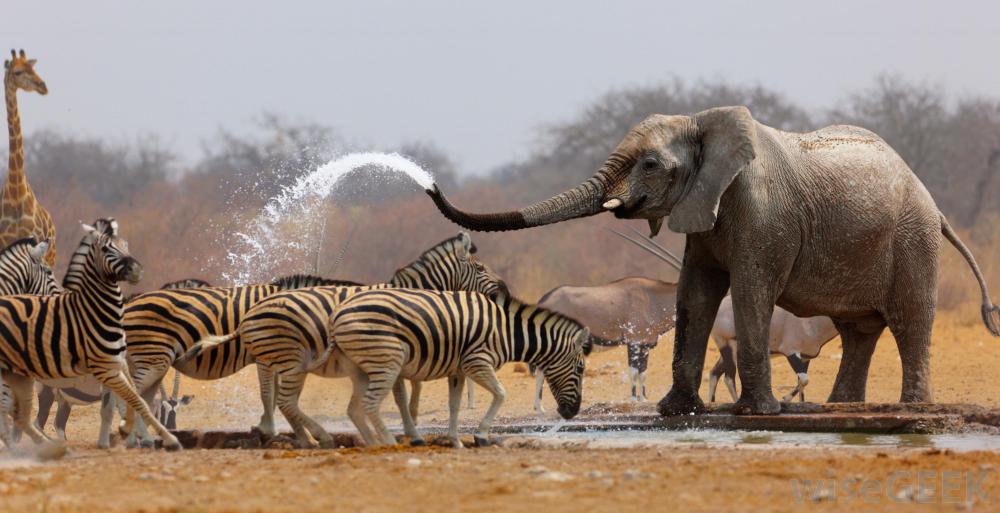
- Elephant Herds: Elephant groups are led by matriarchs, typically the oldest and wisest female. Their deep memory of migration routes, water sources, and safe havens is vital for the herd’s survival, especially during droughts or other challenges.
- Orca Pods: Killer whales, or orcas, exhibit matriarchal leadership, where older females guide the pod based on their extensive knowledge of hunting grounds and environmental conditions.
Eusocial Communities: Complex Specialization
Eusocial animals, such as ants, bees, and termites, represent some of the most advanced social structures in the animal kingdom.
- Defined Roles: Eusocial species have highly specialized roles, including workers, soldiers, and a reproductive queen. This division of labor ensures efficiency and the survival of the colony.
- Communication Networks: Bees perform intricate “waggle dances” to inform others about the location of nectar, while ants leave pheromone trails to guide nestmates to food sources. These communication methods demonstrate extraordinary collective intelligence.
- Sacrifice for the Greater Good: Many eusocial animals exhibit selflessness, such as worker bees that defend the hive at the cost of their lives. This behavior underscores the prioritization of community over individual survival.
Solitary but Social: Flexible Interactions
Not all animals live in structured groups. Some species are solitary but display social behaviors under specific circumstances.
- Territorial Overlaps: Tigers and leopards, typically solitary predators, may share territories with others of their kind, displaying tolerance during mating or when resources are plentiful.
- Seasonal Gatherings: Humpback whales, solitary by nature, congregate during migrations or feeding frenzies, forming temporary but highly cooperative groups.
- Parental Bonds: Even solitary animals often form strong bonds with their offspring. Polar bear mothers provide intensive care to cubs, teaching them essential survival skills before they part ways.
Conflict and Resolution: Managing Disputes
Disputes are inevitable in social communities, but many animals have evolved mechanisms to resolve conflicts peacefully.
- Ritualized Displays: To avoid physical confrontation, animals like deer engage in ritualized displays, such as antler wrestling, to establish dominance without causing harm.
- Appeasement Behaviors: Bonobos are known for using gestures, vocalizations, and other actions to defuse tension within their groups. This fosters harmony and strengthens bonds.
- Territorial Marking: Wolves, big cats, and other territorial species use scent marking to avoid direct conflicts, signaling their presence and boundaries to others.
Lessons from the Wild
Animal communities highlight a variety of strategies for survival, cooperation, and conflict resolution. Their adaptability and ingenuity inspire a closer look at how social structures contribute to resilience in the natural world. By studying these intricate systems, we gain insight into the interconnectedness of life and the importance of protecting habitats that sustain such remarkable diversity.
The study of animal social structures provides more than a glimpse into the natural world—it offers a profound reflection of the delicate balance that sustains it. As humans, we have much to learn from the harmony and adaptability exhibited by these communities.