
Welcoming a pet into your household brings dynamic energy, loyalty, and unmatched companionship. As cherished family members, companion animals deserve the highest standard of care to ensure they live comfortable and vibrant lives. However, many pet owners fall into the habit of scheduling veterinary visits only when an animal shows obvious signs of illness or injury. This reactive approach can compromise a pet’s long-term health.
Animals possess strong evolutionary instincts to conceal physical pain, weakness, and vulnerability. By the time noticeable symptoms surface, an underlying condition may have already advanced to a critical stage. Prioritizing preventive veterinary care is the most effective strategy to detect diseases early, minimize avoidable suffering, and maximize the quality and quantity of your pet’s years.
The Pillars of Routine Wellness Examinations
Regular wellness checkups form the foundation of preventive medicine. Rather than focusing on a single immediate symptom, a wellness exam provides a comprehensive overview of an animal’s systemic health.
Biometrics and Physical Evaluations
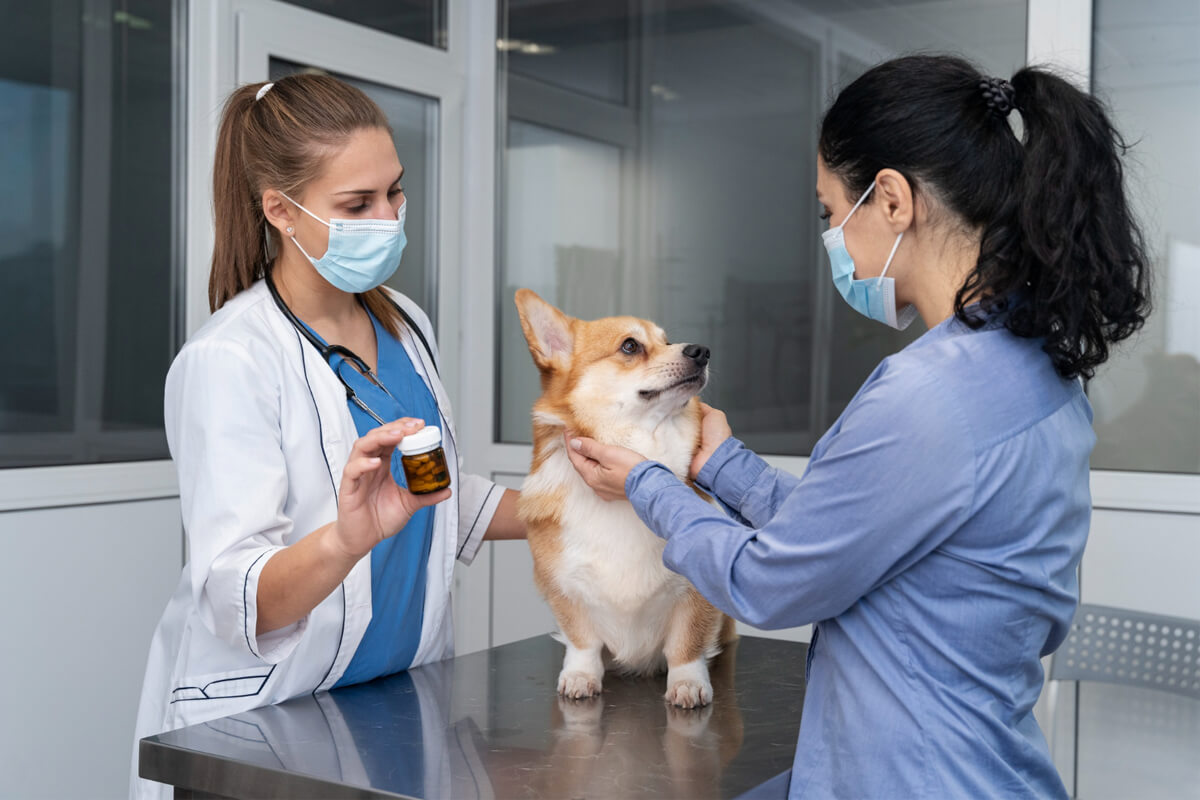
During an annual or biannual examination, a veterinarian performs a thorough physical assessment. This involves checking the pet’s eyes, ears, skin, and coat for signs of infection, irritation, or parasitic activity. The practitioner listens to the heart and lungs to detect murmurs or irregular rhythms and gently palpates the abdomen to check for internal masses, swelling, or localized tenderness.
Tracking changes in weight and body condition score over time is equally important. Sudden weight loss can point to metabolic disorders like hyperthyroidism or diabetes, while gradual weight gain increases the risk of mechanical joint injuries and systemic inflammation. Establishing baseline health metrics when a pet is healthy gives veterinarians a clear point of comparison, making subtle physical changes much easier to spot during future visits.
Tailoring Care to Life Stages
An animal’s preventive care needs evolve significantly as they transition through different life stages.
-
Puppies and Kittens: Early veterinary visits focus on managing rapid physical growth, administering foundational vaccine series, assessing congenital abnormalities, and establishing behavioral training baselines.
-
Adult Pets: The primary goal during maturity shifts to maintaining optimal body weight, preventing dental disease, and monitoring behavioral consistency.
-
Senior Pets: Animals age much faster than humans, with most pets considered seniors by age seven. Senior preventive care typically expands to biannual exams that incorporate specialized diagnostic screenings to manage age-related changes.
Advanced Diagnostic Screenings
While physical exams provide vital external clues, internal biological processes require advanced diagnostic tools. Incorporating routine blood, urine, and fecal screenings into wellness plans allows veterinarians to see beneath the surface.
Blood Panels and Chemistry Profiles
Comprehensive blood tests analyze complete blood counts and serum chemistry profiles. These tests measure red and white blood cell levels alongside blood platelets, signaling hidden infections, anemia, or immune system stress.
Chemistry profiles evaluate how efficiently internal organs are functioning. Elevated kidney values, such as Blood Urea Nitrogen and creatinine, often reveal early-stage renal decline long before a pet shows external signs. Similarly, tracking liver enzymes allows for early dietary or medical adjustments that protect liver tissue from progressive, irreversible damage.
Urinalysis and Fecal Analysis
A urinalysis provides immediate insight into a pet’s metabolic and urinary tract health. It can detect crystallized minerals before they form painful bladder stones, uncover hidden urinary tract infections, and identify trace amounts of glucose or protein, which can point to early-onset diabetes or kidney filtration issues.
Fecal examinations look for microscopic parasite eggs. Many internal parasites, including roundworms, hookworms, and whipworms, live in the digestive tract without causing obvious gastrointestinal distress, yet they quietly drain nutrients and compromise the animal’s immune system.
Immunizations and Continuous Parasite Control
Preventing infectious diseases and parasitic infestations is far easier, safer, and cheaper than trying to treat an advanced infection or parasitic condition.
The Shield of Vaccinations
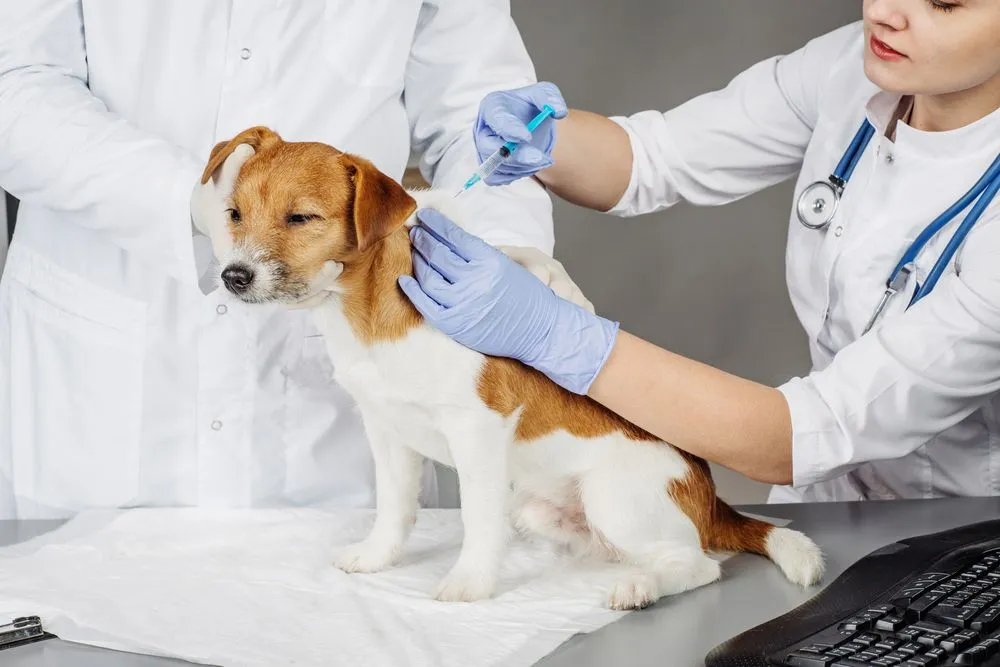
Vaccines work by introducing a harmless version of a pathogen to the pet’s immune system, training the body to produce protective antibodies. Core vaccines are universally recommended for all pets due to the severity and high transmission rates of the target diseases. For dogs, this includes rabies, parvovirus, distemper, and canine hepatitis. For cats, core vaccines target rabies, feline viral rhinotracheitis, calicivirus, and panleukopenia.
Non-core vaccines are recommended based on lifestyle, geographic location, and exposure risks. If your dog frequently visits grooming facilities, dog parks, or boarding kennels, protecting against bordetella and canine influenza is critical. If your cat spends supervised time outdoors or lives in a multi-cat household, the feline leukemia vaccine offers essential protection.
Year-Round Parasite Prevention
Parasites are more than a minor nuisance; they are carriers of severe systemic illnesses. Fleas can cause severe allergic dermatitis and transmit tapeworms, while ticks spread debilitating conditions like Lyme disease, anaplasmosis, and Rocky Mountain spotted fever.
Even more critical is year-round heartworm prevention. Transmitted through mosquito bites, heartworm larvae travel through the bloodstream and mature into large worms within the heart and pulmonary arteries. This infestation causes severe damage to the lungs and cardiovascular system, eventually leading to heart failure. Because treating an active heartworm infection in dogs is complex and dangerous, and no approved treatment exists for cats, monthly preventive medications are a true lifesaver.
Periodontal Health and Systemic Protection
Dental hygiene is one of the most frequently overlooked aspects of basic pet care, yet it has a massive impact on systemic longevity. By age three, a vast majority of dogs and cats exhibit some level of periodontal disease.
The Path from Plaque to Organ Failure
Periodontal disease begins when soft food debris and bacteria form plaque on the teeth. If not brushed away, this plaque reacts with salivary minerals to harden into calculus, or tartar. This tartar creeps underneath the gumline, triggering chronic inflammation, tissue destruction, and bone loss around the roots of the teeth.
The danger extends far beyond loose teeth or foul breath. The inflamed gums contain a dense network of blood vessels, giving oral bacteria direct access to the pet’s bloodstream. Once inside the circulatory system, these bacteria travel to major organs, causing microscopic infections and structural damage to the kidneys, liver, and heart valves. Maintaining oral health through daily at-home brushing and professional veterinary cleanings prevents this chronic bacterial exposure, protecting vital organ function as pets age.
Frequently Asked Questions
Why does my pet need a heartworm test every year if they take preventives monthly?
Annual heartworm testing is a critical safety check. No medication is one hundred percent effective, and it is easy to accidentally skip a dose, administer it late, or have a pet spit out a pill without your knowledge. Giving heartworm preventive medication to an animal that already has an active, adult heartworm infection can trigger a sudden, severe, and potentially fatal allergic reaction to the dying microfilariae in their bloodstream.
Are anesthesia-free dental cleanings a safe alternative to professional veterinary cleanings?
No, anesthesia-free dental cleanings are purely cosmetic and do not address the true source of periodontal disease. Calculus must be scaled away from the deep pockets underneath the gumline, which requires specialized tools and absolute stillness from the animal. Cleaning a pet’s teeth while they are awake causes significant stress, risks scraping the delicate enamel, and leaves the dangerous subgingival bacteria completely untouched.
How do I know if a non-core vaccine is truly necessary for my specific pet?
The necessity of non-core vaccines depends on your pet’s daily environment, travel habits, and local wildlife encounters. For instance, dogs living in heavily wooded areas with high tick populations benefit significantly from the Lyme disease vaccine. Share your pet’s typical routine, boarding frequency, and outdoor exposure with your veterinarian so they can customize a risk-appropriate immunization protocol.
Why does a veterinarian need to collect both blood and urine for a senior screening?
Bloodwork and urinalysis work together to provide an accurate picture of organ function, especially regarding the kidneys. A blood panel measures the concentration of metabolic waste products, but these levels often remain normal until roughly two-thirds of kidney function is already lost. A urinalysis evaluates the kidneys’ ability to concentrate urine and detect protein loss, allowing doctors to catch early stages of renal decline much sooner than bloodwork alone would reveal.
How can I make preventive veterinary visits less stressful for a highly anxious pet?
You can minimize clinic anxiety by acclimating your pet to their carrier and car rides well in advance of the appointment. Practice handling your pet’s paws, ears, and mouth at home using positive reinforcement and treats. Additionally, look for veterinary clinics certified as Fear Free, which utilize specialized low-stress handling techniques, soothing pheromone diffusers, and quiet exam rooms to keep anxious animals calm.
What is the difference between a three-year vaccine and a one-year vaccine?
The primary difference lies in the formulation and the legal or scientific validation of the vaccine’s duration of immunity. Three-year vaccines are tested and proven to stimulate an immune response that protects the animal for a full thirty-six months. However, local ordinances often dictate how frequently certain vaccines, like rabies, must be administered by law, regardless of the manufacturer’s labeled duration.