

The field of veterinary medicine is one of the most critical yet often overlooked pillars of modern society. Just as humans rely on healthcare professionals for medical treatment and preventative care, our animal companions also depend on veterinarians to maintain their health, longevity, and quality of life. The relationship between humans and animals has evolved from simple companionship to an intricate partnership, where animals are integral to our daily lives, and their well-being has become paramount. From domestic pets to farm animals and wildlife, veterinary care plays an indispensable role in safeguarding the health of the animal kingdom, enhancing not only the lives of individual creatures but also the broader ecological balance and human health. In this article, we explore the significance of veterinary care, the challenges faced by veterinarians, and the vital contributions they make to both the animal world and society at large.
A Profession Rooted in Compassion and Science
At its core, veterinary medicine is a blend of compassion, scientific knowledge, and diagnostic expertise. Veterinarians are trained medical professionals who specialize in the prevention, diagnosis, and treatment of diseases and injuries in animals. Unlike medical doctors, who typically focus on human health, veterinarians are equipped to handle a wide array of species—ranging from household pets like dogs, cats, and birds, to farm animals like cows, sheep, and pigs, and even exotic creatures such as reptiles and small mammals. This diversity of knowledge is what makes the field of veterinary medicine both challenging and rewarding.
The history of veterinary medicine dates back thousands of years, with early practices rooted in ancient civilizations such as Mesopotamia, Egypt, and Greece. In these cultures, animals were recognized not only as essential contributors to agricultural economies but also as companions and sacred beings deserving of care. The formalization of veterinary medicine as a distinct profession, however, began in the 18th century, when the first veterinary school was established in Lyon, France. Since then, the field has evolved dramatically, with veterinarians now playing a vital role in public health, food safety, and disease prevention on a global scale.
The Scope of Veterinary Care: Beyond Routine Check-ups
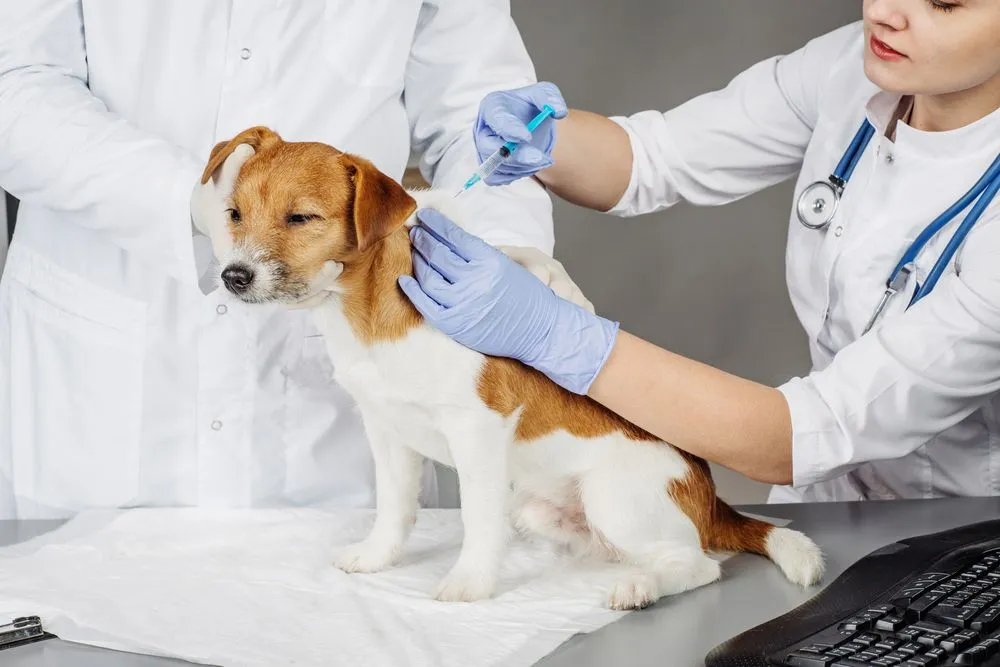
While many people think of veterinarians primarily in terms of providing vaccinations or treating injuries in their pets, the scope of veterinary care extends far beyond routine check-ups and emergency treatments. Veterinarians are trained to diagnose and treat a wide range of conditions, from common infections and allergies to complex diseases such as cancer, diabetes, and heart disease. They also play a pivotal role in preventive care, offering guidance on nutrition, behavior, and exercise, and recommending vaccines and parasite control measures that can protect animals from a range of potentially deadly diseases.
Veterinary care is particularly crucial for the management of zoonotic diseases—diseases that can be transmitted between animals and humans. Rabies, Lyme disease, and tuberculosis are just a few examples of zoonotic diseases that veterinarians help prevent by providing vaccines and advising pet owners on how to minimize risks. By controlling the spread of these diseases in animals, veterinarians not only protect the health of individual pets but also safeguard human populations from potential outbreaks.
In addition to individual care, veterinarians contribute to the health of entire populations of animals. In agriculture, for instance, veterinarians work closely with farmers to monitor the health of livestock, prevent the spread of diseases, and ensure that the animals are raised in humane and healthy conditions. In the case of food production, the role of veterinarians is vital to ensuring that meat, dairy, and eggs are free from harmful pathogens, safeguarding the public from foodborne illnesses.
Veterinarians are also crucial in the conservation of wildlife. Many species face growing threats from habitat loss, poaching, and climate change. In some cases, veterinarians work on the frontlines of wildlife rescue, treating injured or sick animals, rehabilitating them, and assisting in their return to the wild. They also play an essential role in conservation efforts, helping to manage endangered species and advising on strategies to prevent the spread of diseases among wildlife populations.
Challenges in the Veterinary Field: Navigating a Complex Profession
While the field of veterinary medicine offers immense rewards, it is also fraught with challenges. One of the most significant challenges faced by veterinarians is the emotional toll of the job. Unlike doctors who treat humans, veterinarians often must make difficult decisions about life and death for animals who cannot communicate their pain or wishes. Euthanasia, though sometimes the kindest option for terminally ill or severely injured animals, is a heartbreaking aspect of veterinary practice. Additionally, veterinarians frequently deal with the emotional distress of pet owners who are facing the loss of a beloved companion. Providing compassionate care and support during these difficult moments is a vital part of the veterinary profession.
Veterinarians also face the challenge of dealing with the financial realities of their profession. Veterinary care can be expensive, and while some pet owners may have the means to cover the costs, others may struggle to afford essential treatments. This disparity in access to veterinary care can lead to difficult ethical decisions, particularly in cases where life-saving treatments are unavailable due to financial constraints. Many veterinarians work closely with animal shelters and nonprofit organizations to provide affordable care, but the financial strain on both pet owners and veterinary practices remains a persistent challenge.
Another challenge is the growing demand for veterinary services, particularly as pet ownership continues to rise. According to recent surveys, approximately 67% of U.S. households own a pet, a trend that has been steadily increasing over the years. This growing pet population means that veterinarians are seeing more patients, which in turn puts pressure on veterinary clinics and hospitals. In some areas, the demand for veterinary care has outstripped the supply of qualified professionals, leading to long wait times for appointments and increased stress on veterinary staff.
Additionally, the field of veterinary medicine is constantly evolving, with new medical advancements, treatments, and technologies emerging regularly. Veterinarians must stay current with these developments in order to provide the best possible care for their patients. This requires a commitment to lifelong learning, attending continuing education courses, and staying informed about the latest research and clinical practices. The ability to adapt to new treatments and innovations is essential for ensuring that animals receive the highest standard of care.
The Future of Veterinary Medicine: Advancing Care and Expanding Access
The future of veterinary medicine holds exciting possibilities, particularly with advances in technology and research. Telemedicine, for example, is an emerging field within veterinary care, allowing pet owners to consult with veterinarians remotely for non-emergency health concerns. This can be particularly beneficial for pet owners in rural or underserved areas who may not have easy access to a veterinary clinic. Additionally, advances in genetic research and diagnostic tools are enabling veterinarians to detect diseases earlier and more accurately, improving outcomes for animals.
One of the most promising areas of veterinary medicine is the field of regenerative medicine, which focuses on healing damaged tissues and organs using stem cells, growth factors, and other advanced techniques. This cutting-edge research has the potential to revolutionize the treatment of chronic conditions such as arthritis, spinal cord injuries, and heart disease in pets. As these technologies become more widely available, they will likely offer new hope to pets suffering from conditions that were once deemed untreatable.
The future also holds the promise of greater integration of veterinary care into public health and environmental conservation. As veterinarians continue to contribute to the fight against zoonotic diseases, they will play an increasingly important role in global health initiatives. Veterinary involvement in wildlife conservation will also grow, as the preservation of biodiversity becomes an urgent priority in the face of climate change and habitat destruction.
Conclusion: A Profession That Cares for All Life
Veterinarians are not only the caregivers of our animal companions; they are guardians of public health, champions of wildlife, and advocates for the ethical treatment of all creatures. Their expertise, compassion, and dedication are vital to the well-being of animals, humans, and the environment. Despite the challenges they face, veterinarians continue to provide invaluable care to animals of all kinds, ensuring that they lead healthier, happier lives. As the field of veterinary medicine advances, we can expect even greater innovations that will continue to improve the health and quality of life for animals, enhancing the deep bond between humans and the creatures who share our world.