

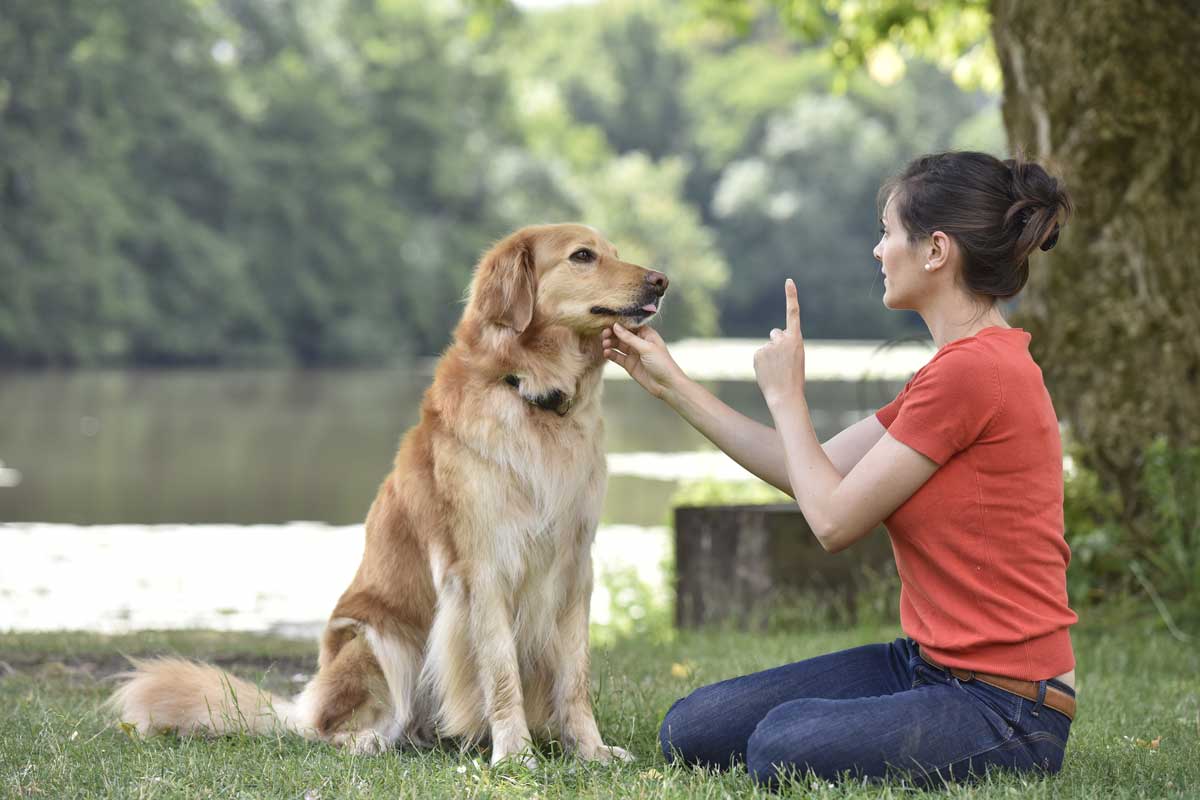
Training your dog to follow basic commands is not only essential for their safety but also strengthens the bond between you and your pet. While dogs naturally understand body language and instinctual cues, consistent training helps them adapt to your expectations and interact with you in a more positive and manageable way. Whether you’re a first-time dog owner or an experienced handler, teaching your dog fundamental commands such as sit, stay, come, and down is both rewarding and effective in fostering good behavior.
In this guide, we’ll cover the steps to successfully train your dog in a way that is both humane and effective. Patience, consistency, and positive reinforcement are key components of this process. Let’s explore the essentials of dog training.
1. Start Early with Positive Reinforcement
The best time to begin training your dog is as early as possible. Puppies are particularly receptive to learning, and the first few months of their lives provide an ideal window for establishing good habits. However, it’s never too late to start training an older dog. Regardless of age, dogs thrive when they understand what’s expected of them.
Positive reinforcement is the cornerstone of effective dog training. This involves rewarding your dog with praise, treats, or toys when they follow a command correctly. The rewards should be immediate and consistent so that your dog associates the behavior with the positive outcome. Over time, your dog will be motivated to repeat the behavior for the reward.
2. Use Clear and Simple Commands
When training your dog, simplicity is key. Dogs respond better to short, distinct words, so use clear and concise commands. For example, use “sit” for the sitting command, “stay” for staying in place, and “come” when you want them to return to you. Repeating the command in a calm, firm voice ensures your dog understands what you are asking them to do.
Avoid using complex sentences or phrases, as these can confuse your dog. Consistently using the same word for the same action will help reinforce their understanding. If you use varied phrases, such as “sit down” and “sit,” it can cause confusion and delay progress.
3. Keep Training Sessions Short and Frequent
Dogs, especially puppies, have short attention spans, so it’s important to keep training sessions brief yet frequent. Ideally, training should last no more than 5-10 minutes at a time. This prevents your dog from becoming frustrated or bored. You can conduct several short sessions throughout the day, but be sure to end each session on a positive note with a reward for good behavior.
Short, frequent sessions help your dog retain information without overwhelming them. If you sense that your dog is becoming distracted or tired, take a break and try again later. Training should always be a fun and rewarding experience for your dog, not a stressful one.
4. Teach One Command at a Time
When teaching a dog a new command, focus on one at a time. Mastering one command before moving on to the next allows your dog to clearly associate each word with a specific behavior. For example, start with the basic “sit” command. Once your dog reliably follows this command, move on to “stay,” then “come,” and so on. Attempting to teach multiple commands simultaneously can be overwhelming for both you and your dog, which can delay progress.
Each dog learns at their own pace, so be patient. Some dogs may quickly grasp commands, while others may take a bit longer. Be consistent and give them plenty of time to absorb the training.
5. Use Lures and Hand Signals
Lures and hand signals are highly effective training techniques. A lure is typically a treat or toy used to guide your dog into the desired position or action. For instance, when teaching the “sit” command, hold a treat above your dog’s head and slowly move it back over their head, which will naturally cause them to sit. Once they sit, immediately reward them with the treat and praise.
Hand signals also work well alongside verbal commands. Many dogs can learn to respond to visual cues in addition to spoken commands. If you’re training your dog to “stay,” for example, you can use an open palm facing the dog as a visual cue, paired with the verbal command. Over time, your dog will associate both the verbal and visual cues with the same behavior.
6. Reinforce Consistency and Patience
Consistency is essential when training your dog. Every member of the household should use the same commands, hand signals, and reward system to avoid confusing the dog. If one person uses “down” for the lying command while another uses “lie down,” your dog might not understand what’s expected of them. Make sure everyone is on the same page regarding the training process.
It’s also vital to remain patient during training. Dogs don’t learn overnight, and some commands may take weeks to master. If your dog doesn’t perform the command immediately, don’t punish them. Instead, go back to basics and try again. Positive reinforcement combined with patience creates an environment in which your dog will feel motivated to learn and succeed.
7. Practice in Different Environments
Once your dog has learned a command in a quiet environment, it’s important to practice in different settings with increasing distractions. Start in a room with minimal distractions and gradually move to busier areas, such as the backyard or a park. This helps your dog generalize the command, meaning they can respond to it no matter where they are or what’s going on around them.
For example, your dog might sit perfectly at home but struggle with the “sit” command in the park with other dogs nearby. By practicing in various environments, you help your dog learn to focus on you and follow commands regardless of distractions.
8. Use Correction Sparingly and Positively
While positive reinforcement should be your primary method, there may be moments when you need to correct unwanted behaviors. However, corrections should be gentle and never involve punishment. If your dog is not following a command, avoid raising your voice or scolding them. Instead, redirect their attention back to the task at hand. If necessary, take a short break and return to the training session once your dog has calmed down.
Remember, your dog’s attention and understanding are built through positive experiences. Negative corrections can damage the trust between you and your dog, which could make training more difficult in the future.
9. Gradually Increase Difficulty and Duration
As your dog becomes more comfortable with basic commands, you can start to increase the level of difficulty. For example, after your dog has learned to “sit,” begin asking them to “stay” in the sitting position for a few seconds, then gradually increase the duration. Once they are reliable with short stays, extend the time further and introduce more distractions.
When introducing longer durations or more complex commands, remember to reward your dog frequently and continue reinforcing positive behaviors. Training should always be progressive, but it’s important not to rush the process.
10. End Training Sessions on a Positive Note
Always aim to end training sessions on a high note. If your dog successfully completes a command or shows improvement, reward them with praise, treats, or a favorite toy. This reinforces the idea that training is fun and rewarding for your dog. A positive ending ensures that both you and your dog look forward to the next training session.
Training your dog to follow basic commands is a rewarding process that enhances their well-being and helps them become well-behaved companions. With patience, consistency, and the right techniques, you can build a strong foundation of communication with your dog that lasts a lifetime.