
Bringing a puppy into your home is an exciting time, but it also comes with responsibilities—chiefly, ensuring your home is safe and comfortable for your new furry friend. Puppies are naturally curious and have a tendency to explore their surroundings with their mouths, paws, and boundless energy. To help your puppy grow into a well-behaved adult dog, it’s crucial to puppy-proof your home, creating an environment that minimizes hazards and encourages positive behaviors. Here’s a comprehensive guide on how to prepare your home for your puppy’s arrival.
1. Create a Safe Space for Your Puppy
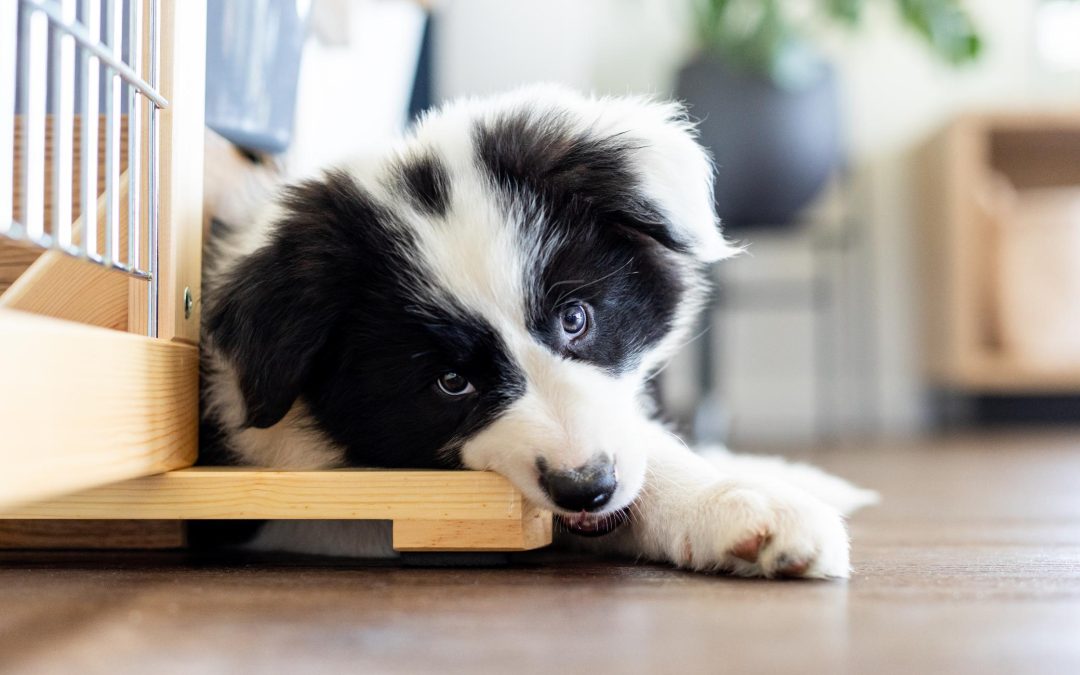
Before you introduce your puppy to your entire home, it’s essential to set up a designated safe space where they can acclimate to their new surroundings. A quiet room or a cozy crate can work well for this purpose. The space should be puppy-proofed to prevent accidents and encourage relaxation. You can start by placing their bed, food and water bowls, toys, and crate in this area, so your puppy has a designated spot to rest and learn house rules.
Make sure the space is free from dangers such as electrical cords, sharp objects, or small items they could swallow. Keep the area calm and quiet to help your puppy adjust to their new environment.
2. Secure Hazardous Areas
One of the first steps in puppy-proofing is to identify and secure areas that could pose potential risks. Puppies are like toddlers in their curiosity—they’ll explore anything they can reach, and their chewing instinct is often irresistible. Common areas of concern include:
- Electrical outlets and cords: Puppies are often fascinated by cords and may chew on them, which can pose a serious risk of electrical shock. Protect outlets with safety covers and use cord organizers to bundle cords out of reach. Alternatively, you can use cord protectors or tape to make cords less accessible.
- Toxic substances: Many common household items—cleaning products, certain plants, and medications—can be toxic to dogs. Keep cleaning supplies, insecticides, and medications securely locked away in cabinets with childproof locks. Be sure to remove any toxic plants such as lilies, azaleas, or ivy, as these can be harmful if ingested.
- Sharp objects: Knives, scissors, and other sharp items should be stored safely out of reach. Consider using childproof locks for drawers containing sharp objects, or better yet, move them to higher cabinets.
3. Puppy-Proof the Furniture
Your furniture, while comfortable for you, can also be a tempting target for a puppy looking for something to chew. To prevent damage and ensure your puppy stays safe:
- Chew toys: Provide your puppy with plenty of chew toys to help satisfy their natural chewing instincts. This will not only protect your furniture but also ensure your puppy learns what is appropriate to chew on.
- Protect furniture: If your puppy is still in the teething phase, you may want to cover upholstered furniture or use pet-specific covers to prevent damage. If your puppy is prone to jumping on furniture, consider using training methods to discourage this behavior.
- Furniture corners: Puppies are naturally clumsy and may bump into furniture. To prevent injuries, consider adding corner protectors to sharp-edged furniture like coffee tables or side tables.
4. Block Off Stairs and Other Hazardous Areas
As your puppy explores, it’s essential to limit access to potentially dangerous areas such as stairs, kitchen counters, or rooms with fragile items. Stairs can be tricky for puppies, especially during the early stages of growth, as their coordination may not yet be fully developed. Invest in a sturdy baby gate to block off access to stairs or rooms with hazards.
You can also place barriers around certain areas of the kitchen or other rooms where fragile or dangerous items might be left out, such as trash bins, cleaning supplies, or perishable foods.
5. Set Up Safe and Accessible Feeding Areas
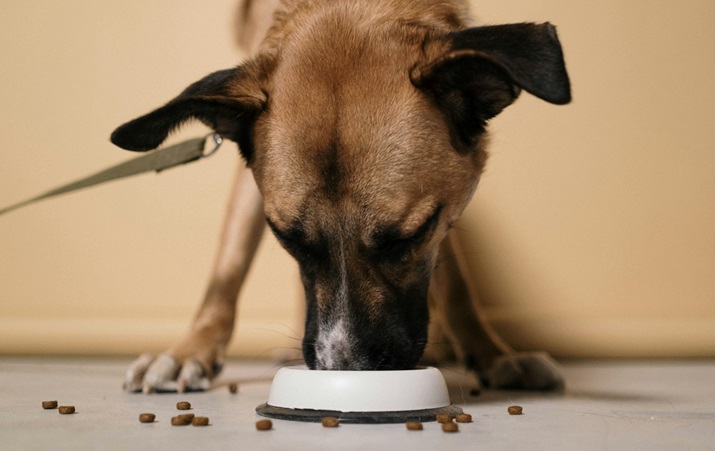
Establishing a designated feeding area is essential for both cleanliness and your puppy’s health. Place your puppy’s food and water bowls in an area that’s easy to access but out of the way of high-traffic areas. This helps your puppy learn where they are allowed to eat and drink and prevents them from knocking over bowls in search of food.
Ensure the feeding area is free from hazards like electrical cords, breakable objects, or anything that your puppy may try to chew on. If your puppy is particularly energetic during meal times, consider using a sturdy, non-slip mat to prevent their bowls from tipping over.
6. Pet-Proof Your Outdoor Space
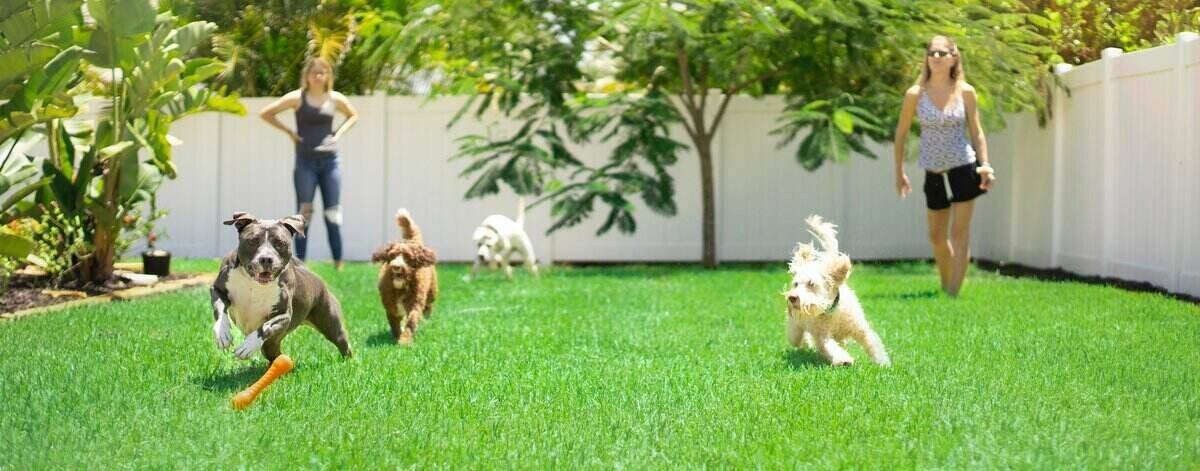
If you have a yard, it’s important to make sure it’s as safe as your indoor environment. Puppies are particularly prone to digging, chewing, and getting into mischief outdoors. Here’s how to puppy-proof your yard:
- Fencing: Check your fence for any gaps or holes that a curious puppy could slip through. Ensure the fence is high enough to prevent your puppy from jumping over. Some puppies are natural escape artists and will find ways to get out if they can. Adding wire or extending the height of the fence can prevent this.
- Toxic plants: Many plants can be toxic to dogs, so remove any potentially harmful plants from your yard. Common toxic plants include oleander, azalea, and foxglove. If you’re unsure whether a plant is safe, consult with your veterinarian or a dog-friendly gardening resource.
- Toys and playtime: Provide appropriate outdoor toys to keep your puppy engaged and active. This can help reduce the temptation to chew on furniture or dig in the yard. Always supervise outdoor play, especially if your puppy is still learning how to navigate the space.
7. Teach Boundaries and House Rules Early
Once your puppy has settled into their new home, it’s time to start teaching them house rules. Consistency is key when it comes to training, as it helps your puppy understand what is expected of them.
Establish clear boundaries about where your puppy is allowed to go and what they are allowed to do. For instance, if you don’t want your puppy to climb onto the furniture, be consistent in not allowing it. If there’s a room that’s off-limits, use a gate to block access. Be patient and consistent with training, as this will help your puppy understand their space and the boundaries of your home.
8. Prepare for Accidents
Puppies are still learning how to control their bladder, and accidents are inevitable, especially in the early stages of potty training. To prevent damage to your floors and furniture, consider placing puppy pads or using floor protectors in areas where accidents are most likely to occur.
Having cleaning supplies on hand, such as enzyme-based cleaners that eliminate odors, is essential. Clean up accidents immediately to avoid lingering smells and to reinforce the idea that there is a specific place for bathroom breaks.
9. Provide a Variety of Chew Toys
As mentioned earlier, puppies love to chew. Chewing is a natural and healthy behavior, but it’s important to direct this behavior toward appropriate items. Provide a variety of chew toys, such as rubber bones, teething rings, or durable stuffed toys. Rotate the toys regularly to keep your puppy interested and engaged. This will also help keep their teeth clean and reduce the risk of destructive chewing.
10. Supervise and Monitor Your Puppy
Finally, while puppy-proofing is essential, nothing replaces supervision. Puppies are naturally curious and will inevitably get into things they shouldn’t. Monitor their behavior during the initial stages of training and when you can’t supervise, consider using a crate or a safe area to keep them contained.
Final Thoughts
Puppy-proofing your home is one of the most important steps in raising a healthy, well-adjusted dog. By preparing your environment in advance, you can create a safe and secure space for your puppy to explore, learn, and grow. With time, patience, and consistency, your puppy will soon become a cherished member of your family, and you’ll have peace of mind knowing that your home is safe for them to enjoy.