

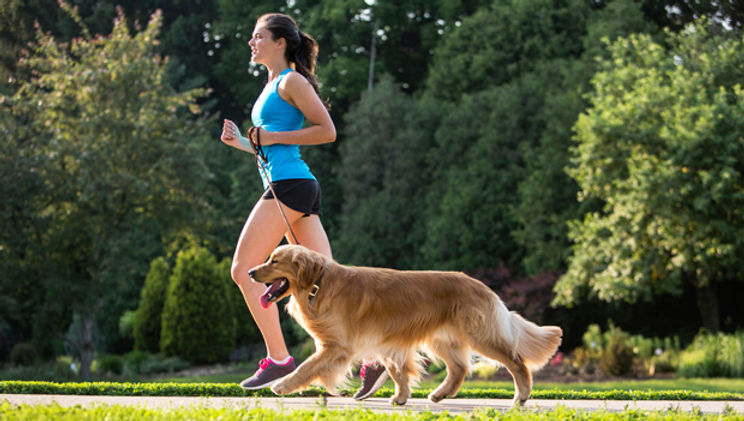
Just like humans, dogs need regular physical activity to stay healthy and thrive. Whether it’s a leisurely walk in the park or an energetic game of fetch, regular exercise plays a crucial role in maintaining a dog’s physical and mental well-being. Dogs of all breeds, sizes, and ages can benefit from consistent exercise, but the type and intensity of activity should be tailored to their individual needs. In this article, we will explore the many benefits of regular exercise for your dog’s health and why it should be an integral part of your dog’s daily routine.
1. Promotes Physical Health
Exercise is essential for maintaining your dog’s physical health. Regular physical activity helps manage a dog’s weight, builds muscle, and strengthens their bones and joints. Dogs that don’t get enough exercise are at an increased risk of obesity, which can lead to a variety of other health issues such as diabetes, heart disease, and arthritis. Active dogs are more likely to maintain a healthy weight and a strong, fit body.
For puppies, regular exercise helps develop strong bones and muscles. For older dogs, staying active can prevent the degeneration of their joints and reduce the risk of developing conditions like hip dysplasia or arthritis. Exercise also helps improve circulation, supporting overall heart and lung health. Whether it’s a brisk walk, a jog, or an active play session, physical activity plays a foundational role in your dog’s long-term health.
2. Mental Stimulation and Cognitive Health
Physical activity isn’t just good for your dog’s body; it’s essential for their mind as well. Regular exercise provides crucial mental stimulation that helps prevent boredom and keeps your dog’s brain sharp. Without sufficient physical activity, dogs can become restless and anxious, leading to destructive behaviors such as chewing or excessive barking.
Engaging in activities that require focus, like obedience training, fetch, or agility courses, can also help improve a dog’s cognitive abilities. These activities challenge their problem-solving skills, keeping their minds active and alert. For older dogs, regular mental stimulation through exercise can help slow cognitive decline, much like how humans benefit from activities like puzzles or learning new skills.
3. Reduces Behavioral Problems
Exercise is a highly effective tool for curbing undesirable behaviors in dogs. Dogs with pent-up energy can become destructive, anxious, or exhibit problematic behaviors like digging, chewing, and jumping. Regular exercise helps burn off this excess energy, leading to a calmer and more well-behaved dog.
In addition to providing physical benefits, exercise also helps regulate a dog’s mood. Physical activity releases endorphins, which are natural mood enhancers that can help reduce anxiety and stress. Regular walks or playtime also provide your dog with a sense of purpose and routine, which can further reduce behavioral issues like separation anxiety and territorial aggression.
4. Strengthens the Bond Between You and Your Dog
Exercise provides an excellent opportunity for bonding with your dog. Whether you’re walking together, playing fetch, or simply spending time outdoors, these activities help strengthen your relationship and build trust. Spending quality time with your dog while exercising not only improves their health but also reinforces the bond between you and your pet.
For dogs, the act of exercising with their owner can be very reassuring, as it provides social interaction, affection, and guidance. Dogs are social animals that thrive on companionship, and regular shared activities help meet their emotional needs. This strong bond can lead to a more obedient and content dog, making the relationship between you and your pet even more rewarding.
5. Enhances Socialization Skills
Exercise is a wonderful way to socialize your dog, especially if you are active in places where other dogs are present, such as dog parks or outdoor trails. Regular exercise helps dogs become accustomed to interacting with other dogs and people, which is essential for fostering good social behavior. Properly socialized dogs tend to be calmer and more confident around new environments, people, and animals.
Socialization is particularly important for puppies and younger dogs, as it helps them learn how to appropriately engage with the world around them. However, socialization through exercise is beneficial at any age. Dogs that are not well-socialized may develop fear or aggression toward other dogs or people, but consistent interaction in controlled environments through exercise can help alleviate these issues.
6. Supports a Healthy Digestive System
Exercise also plays a role in maintaining a healthy digestive system for your dog. Physical activity helps stimulate the digestive process, encouraging regular bowel movements and reducing the likelihood of constipation. Dogs that do not get enough exercise may experience sluggish digestion, which can lead to discomfort and even gastrointestinal issues.
In addition, regular exercise can help prevent obesity, which is one of the leading causes of digestive problems in dogs. Maintaining a healthy weight through exercise ensures that your dog’s digestive system operates efficiently, contributing to their overall well-being.
7. Provides an Outlet for Natural Instincts
Many dogs have natural instincts to chase, hunt, or herd, and regular exercise can provide a healthy outlet for these instincts. For instance, retrieving a ball or frisbee mimics the chase-and-capture behaviors that many dogs are naturally inclined toward. Herding breeds like Border Collies benefit from activities that allow them to express their herding instincts in a controlled, positive way, such as agility training or running with a partner.
Allowing your dog to express their natural instincts through exercise helps to satisfy their innate needs, leading to a more content and balanced dog. It’s a fulfilling way to tap into their natural talents while also ensuring they stay fit and healthy.
8. Reduces the Risk of Health Issues
Regular exercise not only improves a dog’s current health but also helps to prevent a range of potential health issues in the future. Dogs that get regular exercise are less likely to develop conditions like arthritis, hip dysplasia, and heart disease. Active dogs have a higher level of fitness, which helps them recover more quickly from injuries and illnesses.
Furthermore, exercise improves blood flow and helps maintain a healthy immune system. Dogs that stay active have a better chance of aging gracefully and maintaining their vitality well into their senior years.
Final Thoughts
Regular exercise is not merely a luxury for dogs; it is a necessity for their physical, mental, and emotional well-being. From improving cardiovascular health to providing mental stimulation and fostering socialization, exercise is one of the simplest yet most effective ways to ensure that your dog remains healthy and happy. By making exercise a regular part of your dog’s routine, you can help them live a long, fulfilling life while strengthening the bond you share with them. Whether it’s a brisk walk around the block or a vigorous play session in the park, your dog’s health will flourish with every step they take.