
The holiday season is a time for celebration, family gatherings, and festive activities. While the cheer and bustle can bring joy to humans, it can also pose unique challenges and risks for dogs. Keeping your furry companion safe during this period requires thoughtful planning and awareness. Below is a comprehensive guide to ensuring your dog’s safety and well-being during the holidays.
1. Create a Safe Space for Your Dog
Holidays often mean guests, noise, and a bustling atmosphere that may overwhelm your dog. To ensure their comfort, designate a quiet, secure area in your home where they can retreat if they feel stressed.
- Include familiar items such as their bed, toys, and blankets to make the space inviting.
- Ensure the area is away from the main activity zones, providing a peaceful environment for rest.
- Consider playing soothing music or white noise to mask loud sounds from parties or fireworks.
2. Watch What They Eat
Festive foods and treats are often rich, spiced, or contain ingredients toxic to dogs. Common holiday dishes can be hazardous if shared with pets.
- Avoid feeding them table scraps. Foods like chocolate, onions, garlic, and raisins can be toxic to dogs.
- Keep alcoholic beverages and caffeinated drinks out of reach. Both can lead to severe health issues if ingested.
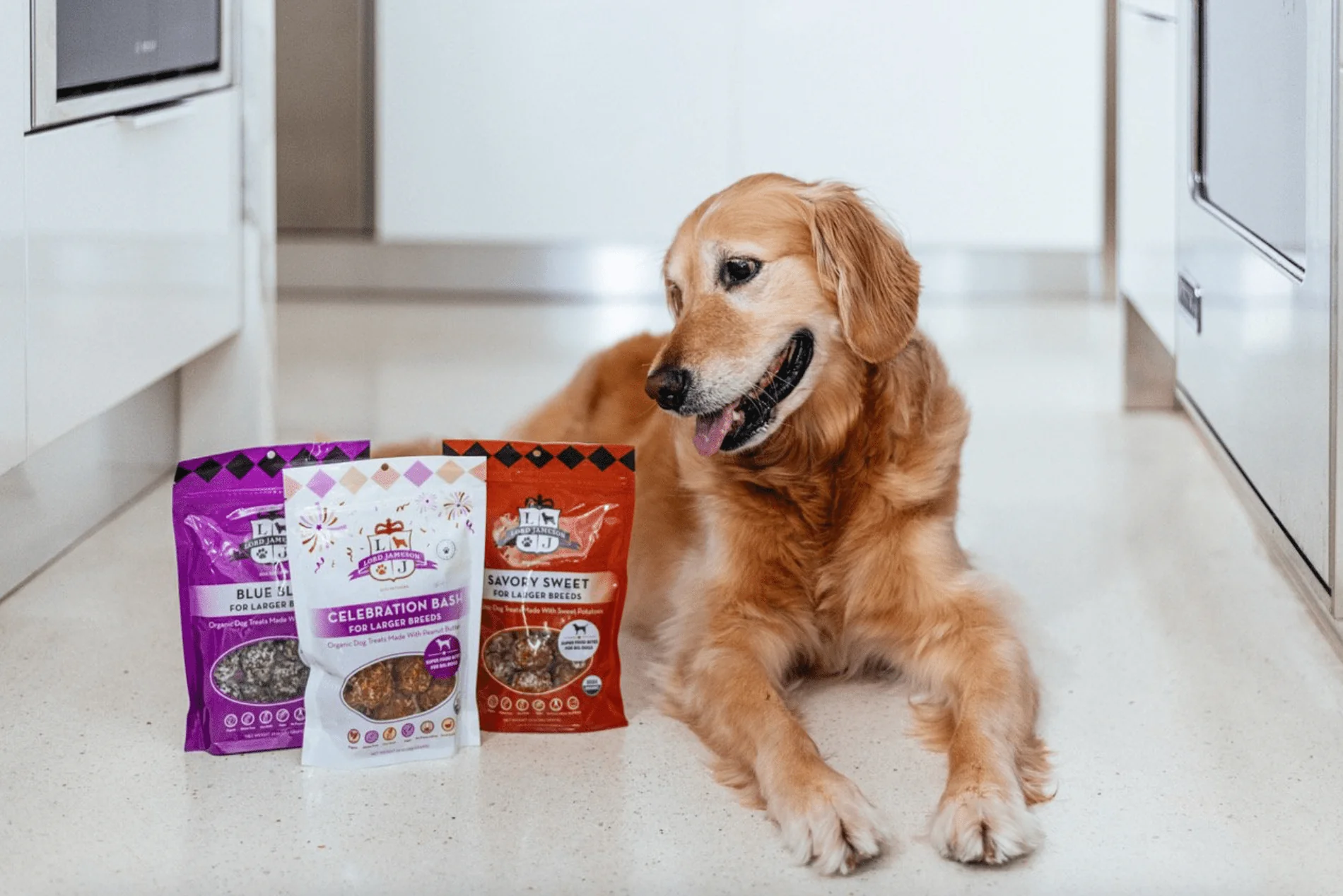
- If you want to include your dog in the festivities, offer them specially made dog treats that are safe and nutritious.
3. Secure Decorations
Holiday decorations can be enticing for dogs but may pose significant risks. From tinsel to tree lights, these items can lead to accidents if not managed properly.
- Christmas trees: Anchor your tree securely to prevent it from tipping over if your dog gets curious. Avoid using ornaments made of glass or small parts that could be swallowed.
- Candles: Place candles out of reach to avoid burns or accidental knock-overs. Battery-operated candles can provide a safer alternative.
- Cords and wires: Tuck away electrical cords to prevent chewing, which could lead to shocks or burns.
4. Manage Holiday Plants
Certain plants commonly associated with the holidays can be toxic to dogs. Familiarize yourself with these risks to avoid accidental ingestion.
- Poinsettias, mistletoe, and holly are common holiday plants that can cause digestive upset or more severe health problems if consumed.
- If you choose to decorate with plants, place them in areas inaccessible to your dog or opt for pet-safe alternatives.
5. Monitor Guests’ Interactions
Holidays often bring gatherings of family and friends, which can create unfamiliar or stressful situations for your dog. Proper supervision is essential.
- Instruct guests, especially children, on how to interact with your dog. Teach them to approach calmly and avoid startling your pet.
- Supervise interactions to ensure your dog doesn’t feel overwhelmed. Watch for signs of discomfort, such as hiding, growling, or excessive barking.
- If your dog is particularly shy or anxious, keep them in their safe space during large gatherings.
6. Be Mindful of Weather Conditions
Winter holidays often coincide with colder weather, which can affect your dog’s safety, especially during outdoor activities.
- Protect your dog from the cold with a dog coat or sweater if they have short fur or are not accustomed to low temperatures.
- Avoid walking on icy surfaces that may harm your dog’s paws. Use paw balm or booties to protect against frostbite and salt used for de-icing.
- Limit time outdoors during extreme cold, and always provide a warm place indoors for your dog to rest.
7. Plan Ahead for Fireworks and Loud Noises
Celebratory fireworks and loud noises, particularly on New Year’s Eve, can be distressing for dogs. Preparation can minimize stress and keep them safe.
- Keep your dog indoors during fireworks displays, ensuring all windows and doors are closed to reduce noise.
- Provide distractions such as chew toys or interactive puzzles to redirect their focus.
- If your dog experiences severe anxiety, consult your veterinarian about calming aids or medications.
8. Maintain Your Dog’s Routine
Despite the hustle of the holidays, try to stick to your dog’s regular schedule for feeding, walks, and playtime.
- Predictability helps reduce stress and ensures your dog feels secure amidst the excitement.
- If travel or guests disrupt the routine, make adjustments to accommodate your dog’s needs, ensuring they receive ample exercise and attention.
9. Prepare for Holiday Travel
If your holiday plans involve traveling with your dog, preparation is key to ensuring their comfort and safety.
- Use a well-ventilated crate or harness for car rides, and never leave your dog unattended in a vehicle.
- Pack essentials such as food, water, toys, and any medications your dog may need.
- Research pet-friendly accommodations and confirm their policies ahead of time.
A Season of Joy and Safety
Holidays are meant to be a time of joy and connection, and your dog is an integral part of those moments. By taking proactive steps to address potential risks and providing a sense of security, you ensure that your canine companion enjoys the season as much as you do. Thoughtful preparation and attentiveness will create a harmonious holiday experience for your entire household.