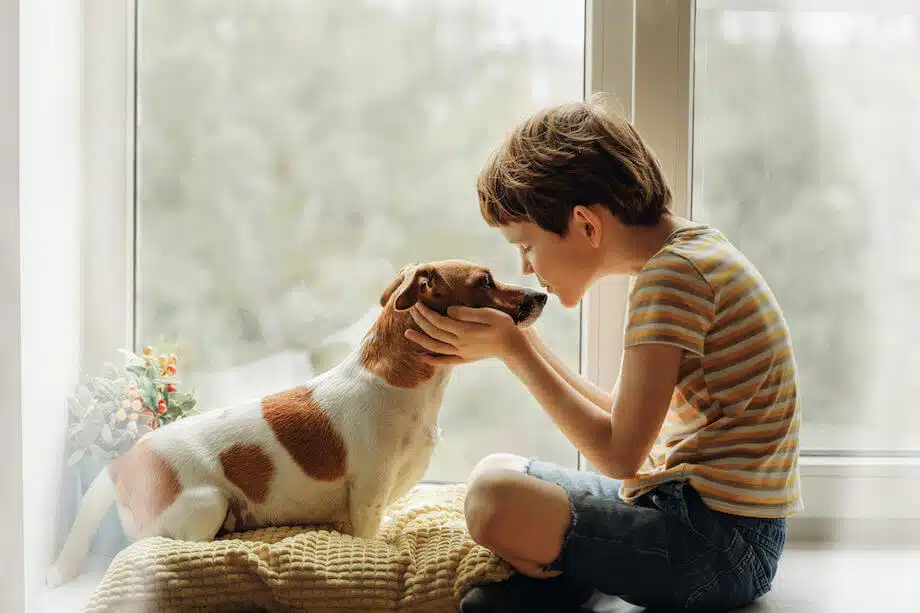


Moving to a new home is a significant life event, not only for you but for your dog as well. Whether you’ve adopted a new dog or are relocating with your long-time canine companion, the transition can be overwhelming. Dogs thrive on routine, and a change in environment often leads to stress and confusion. However, with patience, preparation, and understanding, you can help your dog feel more at ease in their new surroundings.
Dog grooming Sandy offers competitive pricing without compromising on quality. Affordable packages and customizable options mean every pet owner can find a solution that suits their budget. Choose Dog grooming Sandy to experience premium care that’s both budget-friendly and effective for all pets.
Here’s a comprehensive guide to helping your dog adjust to a new home, ensuring a smooth transition for both of you.
1. Give Your Dog a Familiar Space
As soon as you arrive in your new home, set up a space for your dog that feels familiar and comforting. This could be their bed, crate, or a specific area of the house where they can retreat to if they feel overwhelmed. Having a designated area helps provide your dog with a sense of security and ownership, which is especially important in a new and unfamiliar environment.
Make sure their bedding, favorite toys, and even a piece of your clothing are in this space. These items have familiar smells that will comfort your dog during the adjustment period. If possible, try to set up this space before introducing your dog to the rest of the house to help them settle in gradually.
2. Establish a Routine as Soon as Possible
Dogs are creatures of habit, and maintaining a consistent routine is vital for their sense of security. Keep their feeding times, walks, and bathroom breaks on the same schedule as they were in the old home. Predictability helps alleviate anxiety and makes the transition smoother.
In addition to feeding and potty breaks, continue any daily activities you had with your dog before the move, such as playtime or training. Maintaining consistency with exercise and mental stimulation is crucial, as it helps your dog focus on familiar activities, reducing stress during the transition.
3. Give Them Time to Explore
After the initial settling period, allow your dog to explore the new home at their own pace. You can take them on a leash and guide them from room to room, letting them sniff and discover the different areas. Some dogs may feel anxious when exposed to too much space at once, so allow them to take their time without forcing them into unfamiliar situations.
If you have a yard or outdoor space, ensure that your dog has access to it, as outdoor exploration is crucial for relieving stress and adjusting to their new home. Walks around the neighborhood are also a great way to help your dog become familiar with their new surroundings, sounds, and smells.
4. Introduce Your Dog to Family Members Slowly
If you’re living with other people or pets, introduce your dog to each new person one at a time. Give your dog the opportunity to approach family members at their own pace. When introducing other pets, ensure both animals have their own safe spaces where they can retreat if they feel overwhelmed. This gradual introduction helps prevent overstimulation and ensures that all family members, both human and animal, are comfortable.
If you have children, it’s essential to teach them how to approach and interact with your dog gently, as sudden movements or loud noises can be frightening to a dog in an unfamiliar environment. By providing calm and consistent interactions, you help your dog build positive associations with the new people in their life.
5. Maintain Familiar Scents and Sounds
The scents and sounds in your home are incredibly important to your dog’s sense of security. If possible, bring familiar items from your old home, such as blankets, toys, or furniture, to the new house. This will help your dog recognize their environment more easily.
Additionally, try to recreate the sounds your dog is used to. If you typically play calming music or have a particular TV show you watch together, try to maintain those routines. Familiar sounds can offer comfort and alleviate feelings of isolation or confusion.
6. Be Patient with Behavioral Changes
It’s common for dogs to exhibit changes in behavior when adjusting to a new home. Some dogs may become more anxious or exhibit signs of stress, such as whining, barking, or having accidents indoors. Others might become more clingy or withdrawn. Be patient and understanding during this time, as your dog is likely experiencing a range of emotions as they adapt.
Avoid scolding your dog for behaviors that are a result of stress or confusion. Instead, focus on reinforcing positive behaviors with praise, treats, or playtime. If your dog is struggling with significant anxiety or behavioral changes, consider seeking advice from a professional dog trainer or veterinarian to ensure the best approach to managing their stress.
7. Socialize Your Dog Gradually
Socialization is an essential part of a dog’s well-being, and it’s crucial during a move. However, introducing too many new experiences all at once can overwhelm your dog. After they’ve settled into their new space, gradually introduce them to new people, other dogs, and new environments. This allows your dog to adjust at their own pace without becoming overwhelmed.
If your dog is showing signs of fear or aggression toward other dogs or people, it may be helpful to consult with a professional dog trainer. Gradual exposure, along with positive reinforcement, can help your dog feel more confident and less stressed in new situations.
8. Keep Up with Training and Positive Reinforcement
While your dog may be adjusting to their new home, it’s essential to continue reinforcing basic training commands. Training provides structure and helps your dog feel more secure in their new environment. Consistent training, especially when using positive reinforcement techniques like treats, praise, and toys, helps your dog associate their new surroundings with good things.
If your dog has already been trained in certain commands, continue to practice them regularly. This consistency will help them maintain their routines and provide them with mental stimulation during the adjustment period.
9. Monitor Health and Well-being
The stress of moving to a new home can take a toll on your dog’s health, especially if they have pre-existing conditions. Watch for signs of stress or illness, such as loss of appetite, lethargy, or changes in behavior. If any concerning symptoms arise, don’t hesitate to reach out to your veterinarian to ensure your dog’s health is not being negatively impacted by the move.
Additionally, provide your dog with ample opportunities for rest. After all the excitement of settling into a new home, your dog may need extra downtime to recover. Ensure they have a quiet, comfortable place to relax where they feel safe and secure.
10. Love and Reassurance
Above all, your dog will rely on your presence and affection during this time. Provide comfort, attention, and reassurance throughout the transition process. Simple acts of affection, like petting, cuddling, and spending time together, help your dog feel safe and loved in their new home. By maintaining a calm and loving demeanor, you offer your dog the security they need to thrive in their new environment.
Helping your dog adjust to a new home takes time, patience, and understanding. By providing a familiar and structured environment, offering consistent care, and being mindful of your dog’s emotional and physical needs, you can ensure that the transition is as smooth and stress-free as possible. With time, your dog will settle into their new surroundings and build new memories with you, continuing to thrive as an integral part of the family.