

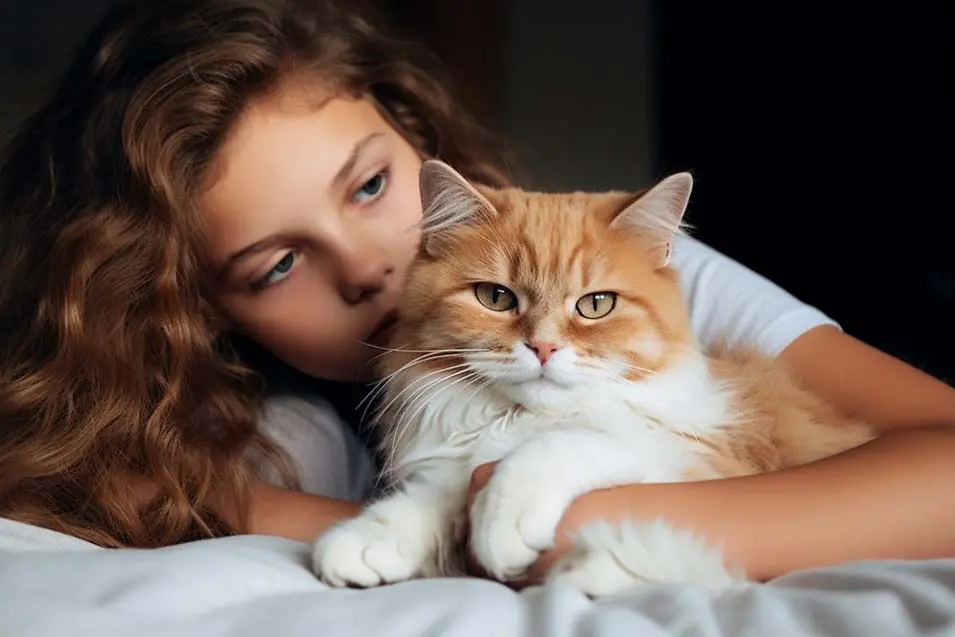
For centuries, humans have been fascinated by the soothing rhythm of a cat’s purr. While it may sound like a simple sign of happiness, science reveals that purring is far more complex and purposeful than many realize. Recent research into bioacoustics and animal communication has uncovered that the sound frequency at which cats purr holds measurable effects on both their health and the wellbeing of those around them. Understanding what frequency do cats purr not only deepens our connection with them but also opens new perspectives on how nature uses sound for healing and emotional balance.
The Science Behind the Purr
At its core, a cat’s purr is a mechanical vibration generated by rapid contractions of the laryngeal muscles. These contractions open and close the glottis — the space between the vocal cords — at an astonishing speed, typically between 20 and 30 times per second. The result is a continuous hum that resonates throughout the cat’s body.
Most domestic cats purr at frequencies ranging from 25 to 150 Hertz (Hz). This low-frequency range is particularly interesting because it aligns with frequencies known in medical science to stimulate healing processes such as tissue regeneration, bone growth, and pain reduction. Studies suggest that cats may instinctively use purring as a form of self-repair, much like how humans use physical therapy or vibration therapy to enhance recovery.
Why Cats Purr: Beyond Happiness
While it is common to associate purring with comfort and affection, it is not limited to moments of pleasure. Cats also purr during stress, illness, or pain, which indicates that purring serves multiple biological and emotional functions.
-
Self-soothing mechanism: Cats may purr to calm themselves in stressful situations, such as at the vet or during recovery.
-
Healing signal: The low-frequency vibrations may act as an internal healing tool, improving bone density and muscle recovery.
-
Communication tool: Cats use subtle variations in pitch and rhythm to communicate different emotional states to humans and other cats.
The complexity of purring shows that it is both an instinctive biological process and an evolved form of social communication.
The Bioacoustic Connection
The concept of bioacoustics examines how sound frequencies affect living organisms. In the case of cats, their purring frequencies fall within a range that promotes cellular repair and blood circulation. Research from veterinary and acoustic studies shows that frequencies between 25 and 50 Hz can enhance bone healing, while frequencies between 100 and 200 Hz help with soft tissue recovery.
This explains why cats often heal faster than other animals after injuries or surgeries. Their purring may function as an internal “vibration therapy,” activating biological processes that speed up recovery. The phenomenon also extends to other animals that live with cats — dogs sharing homes with cats often exhibit lower stress levels, likely influenced by the calming sound frequencies.
The Therapeutic Impact on Humans
Humans have long recognized the calming effect of a cat’s purr. Many pet owners report reduced anxiety, lower blood pressure, and an overall sense of relaxation when their cat purrs near them. Scientifically, this response is tied to how the human nervous system interprets low-frequency vibrations.
When exposed to cat purring, the parasympathetic nervous system — responsible for rest and recovery — becomes activated. This triggers a decrease in cortisol (the stress hormone) and promotes a sense of calm. The rhythmic sound also synchronizes with human heartbeats and breathing patterns, creating a biofeedback loop that encourages relaxation.
Some researchers are even exploring whether exposure to cat purr frequencies could aid in human rehabilitation therapies, particularly in areas like physical recovery or chronic pain management.
Emotional Intelligence and Purring Patterns
Purring is not random. Cats adjust the frequency, intensity, and pattern of their purrs based on social and emotional context. For example:
-
Solicitation purrs (when asking for food or attention) include higher frequencies that resemble a crying infant, triggering a caregiving response in humans.
-
Contentment purrs are lower and more consistent, reflecting comfort and safety.
-
Pain purrs or stress purrs are deeper and slower, functioning as a natural analgesic.
This dynamic use of sound reflects the emotional intelligence of cats and their ability to adapt communication to elicit specific responses from humans. Over thousands of years of cohabitation, cats have refined purring into a powerful emotional and biological tool.
Evolutionary Purpose of Purring
From an evolutionary perspective, purring likely developed as a survival mechanism. Wild cats that healed faster had a natural advantage, especially in environments where injury or exhaustion could be fatal. Purring helped maintain muscle tone, bone strength, and emotional stability during rest or recovery.
The evolution of domestication further refined this mechanism. As cats began living closer to humans, their purring adapted to strengthen the human-feline bond. Today, this sound plays a crucial role in mutual comfort, trust, and empathy between cats and their human families.
Purring and Energy Transfer
Sound is a form of energy, and energy transfer is fundamental to how purring works. The vibrations produced by a cat’s chest and throat resonate through surfaces, including human skin and bones. These frequencies interact with biological systems by stimulating mechanoreceptors — sensory cells that respond to touch and vibration.
This process can temporarily increase circulation, enhance lymphatic drainage, and reduce tension in muscles. It’s the same principle used in vibroacoustic therapy, a treatment recognized for helping patients with anxiety, insomnia, or chronic pain. Cats may naturally generate similar effects simply by resting on or near a person.
The Role of Environment and Relationship
A cat’s purr is also influenced by its environment and emotional connection with its human companions. Cats that live in calm, enriched environments tend to purr more often and more rhythmically. In contrast, those under chronic stress may show irregular or subdued purring.
Veterinarians encourage environments that support natural purring — quiet spaces, consistent routines, gentle handling, and bonding activities such as brushing or slow blinking. These conditions foster trust and help the cat express itself freely.
Research Frontiers: From Veterinary Science to Sound Medicine
Veterinary researchers are beginning to study how feline purring could inspire new medical technologies. One area of interest is biomechanical stimulation, where controlled sound waves mimic natural purr frequencies to assist in healing fractures and soft tissue injuries.
The future may see devices or therapies modeled on the same acoustic range that cats naturally produce. This fusion of veterinary science and medical engineering represents an exciting frontier where animals could influence human medicine in unexpected ways.
How Pet Owners Can Support Their Cat’s Natural Purring
While cats instinctively purr, their comfort and safety directly affect how often and how healthily they do so. Pet owners can enhance this natural process through:
-
Creating safe spaces: Cats purr more when they feel secure and unthreatened.
-
Encouraging relaxation: Gentle stroking, calm speech, and quiet environments help sustain purring.
-
Monitoring health: A sudden decrease or change in purring could indicate discomfort or illness and should be evaluated by a veterinarian.
-
Providing enrichment: Play, exercise, and mental stimulation keep cats emotionally balanced, which supports consistent purring behavior.
When properly nurtured, a cat’s purr becomes not just a sound of happiness but a rhythmic reflection of wellbeing.
FAQs
1. What is the exact frequency of a cat’s purr?
Most domestic cats purr between 25 and 150 Hz, a range scientifically associated with healing and regeneration.
2. Why do cats purr when they are hurt or sick?
Purring can serve as a natural self-healing mechanism, releasing endorphins and stimulating tissue repair through vibration.
3. Do all cats purr the same way?
No. Frequency and rhythm vary by breed, age, and emotional state. Some cats have deeper, slower purrs, while others have lighter, faster vibrations.
4. Can a cat’s purr really help humans relax?
Yes. The low-frequency vibrations align with relaxation frequencies in humans, lowering stress hormones and blood pressure.
5. Are there medical studies supporting healing through purring?
Yes. Research in bioacoustics and animal physiology has linked similar frequencies to bone density improvement and muscle recovery in mammals.
6. Why do kittens start purring so early?
Kittens begin purring within days of birth to communicate with their mothers and signal safety during nursing.
7. Is it possible to replicate purr frequencies for therapy?
Scientists are studying ways to integrate feline frequency ranges into human therapies such as physical rehabilitation and anxiety treatment.
The mystery of feline purring blends science, emotion, and evolution into a single phenomenon. It is more than a comforting sound — it is a biological instrument tuned for healing and connection. By studying what makes a cat’s purr so powerful, humans can gain insights into the harmony between sound, health, and empathy that nature has perfected over millions of years.