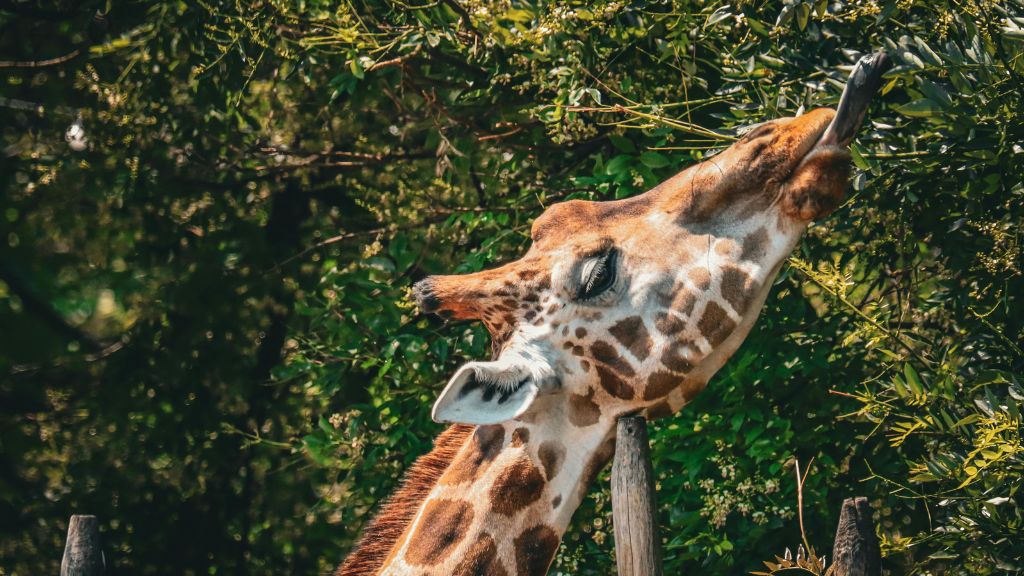


Animal therapy, also known as animal-assisted therapy (AAT), has gained significant recognition in healthcare settings as a complementary approach to traditional treatment methods. This practice involves the use of specially trained animals to provide comfort, improve mental and physical health, and enhance the quality of life for patients. In this article, we explore the profound impact of animal therapy, highlighting its applications, benefits, and the science behind its effectiveness.
1. A Natural Connection: The Role of Animals in Healing
Humans have shared a bond with animals for centuries, finding solace in their companionship. This connection forms the foundation of animal therapy, where the mere presence of an animal can trigger a cascade of positive emotional responses.
Animals, especially those used in therapy programs, are known for their nonjudgmental and calming nature. For patients dealing with stress, loneliness, or anxiety, these qualities create a safe space for emotional release. This bond is not superficial; it taps into the human need for connection, fostering trust and security in challenging times.
2. Psychological Benefits: Easing the Mind
Animal therapy has proven to be particularly effective in addressing psychological and emotional challenges. Interacting with therapy animals helps reduce stress levels, as physical contact like petting a dog or cat triggers the release of oxytocin—a hormone associated with bonding and relaxation.
For patients suffering from depression, post-traumatic stress disorder (PTSD), or anxiety, therapy animals offer a source of comfort and distraction. They encourage mindfulness by grounding individuals in the present moment, breaking cycles of rumination and worry.
Moreover, therapy animals can improve socialization. In settings like mental health clinics or support groups, their presence often serves as an icebreaker, encouraging patients to open up and engage with others.
3. Physical Health Improvements
The benefits of animal therapy extend beyond emotional well-being; they also positively impact physical health. Studies have shown that interacting with animals can lower blood pressure, reduce heart rate, and decrease levels of cortisol—a hormone associated with stress.
For patients undergoing rehabilitation, therapy animals provide motivation to participate in physical activities. For instance, walking a dog or gently grooming a horse can encourage movement, improve coordination, and increase overall activity levels.
In pediatric settings, therapy animals make medical procedures less intimidating. Children who interact with animals during treatment often show increased cooperation and reduced perception of pain, making the healthcare experience more manageable.
4. Supporting Patients with Chronic Illnesses
Chronic illnesses often come with a sense of isolation and helplessness. Therapy animals provide consistent companionship that can uplift patients’ spirits and foster a sense of purpose.
In cancer care, for example, therapy dogs are frequently used to comfort patients during chemotherapy sessions. Their presence not only reduces anxiety but also creates moments of joy during a challenging period. Similarly, for individuals with chronic pain conditions, the distraction provided by animals can help them cope with discomfort and find moments of peace.
5. Enhancing Cognitive Function
Animal therapy is a powerful tool in aiding cognitive development and rehabilitation. In cases of dementia or Alzheimer’s disease, therapy animals help patients maintain focus and stimulate memory recall.
Therapy animals are also beneficial for children with developmental disorders such as autism. Interactions with animals can improve communication skills, enhance sensory integration, and teach empathy. The structured activities involved in animal-assisted therapy often create a sense of accomplishment and boost self-esteem.