

Extreme weather conditions—whether blistering heat, freezing cold, heavy rain, or powerful storms—can pose significant challenges to pet owners. As much as we strive to protect ourselves from the elements, it is equally important to consider the well-being of our pets. Just like humans, animals can suffer from the effects of severe weather, and understanding how to care for them during these times is essential for their health and safety.
This article provides detailed guidance on how to protect and care for your pet during extreme weather conditions, ensuring they stay comfortable and safe through the most challenging conditions.
1. Preparing for Extreme Heat: Keeping Your Pet Cool
During extreme heat or hot weather conditions, pets, particularly those with thick coats, short snouts, or small bodies, are more vulnerable to heatstroke and dehydration. It is crucial to take proactive steps to keep them cool and hydrated.
- Limit Outdoor Time: Avoid taking your pet outside during the hottest parts of the day—typically between 10 a.m. and 4 p.m. If they need to go outside for a walk or potty break, try to do so early in the morning or late in the evening when temperatures are lower.
- Provide Plenty of Fresh Water: Make sure your pet always has access to clean, fresh water. Heat can cause dehydration quickly, so ensure your pet is drinking regularly.
- Create a Cool Environment: Ensure your pet has a cool, shaded place to rest. If your pet is indoors, consider using fans or air conditioning to keep the environment comfortable. You can also place a damp towel on the floor or use a cooling mat to help them stay cool.
- Avoid Hot Pavement: Walking on hot pavement can burn your pet’s paws. To check if the ground is too hot, place your hand on the pavement for 10 seconds. If it’s uncomfortable for you, it’s likely too hot for your pet as well.
- Grooming: Regular grooming during the summer months is essential, especially for pets with thick fur. Brushing their coat will help prevent matting and allow air to circulate more freely around their body. However, avoid shaving your pet’s coat entirely, as fur provides important protection from sunburn.
2. Cold Weather Care: Keeping Your Pet Warm and Safe
During extreme cold, especially in regions where temperatures drop significantly, it is just as important to protect your pet from the risks of frostbite, hypothermia, and other cold-related illnesses.
- Limit Outdoor Time: Just as with extreme heat, pets should not be kept outside for extended periods during extreme cold. If your pet needs to go outside, keep the time spent outdoors to a minimum. Short, quick potty breaks are ideal.
- Provide Adequate Shelter: If your pet spends time outdoors, ensure that they have a warm, dry, and sheltered area. For dogs that are kept outdoors, invest in a well-insulated dog house that provides protection from the wind. It should be elevated off the ground and have a door or flap to prevent cold drafts.
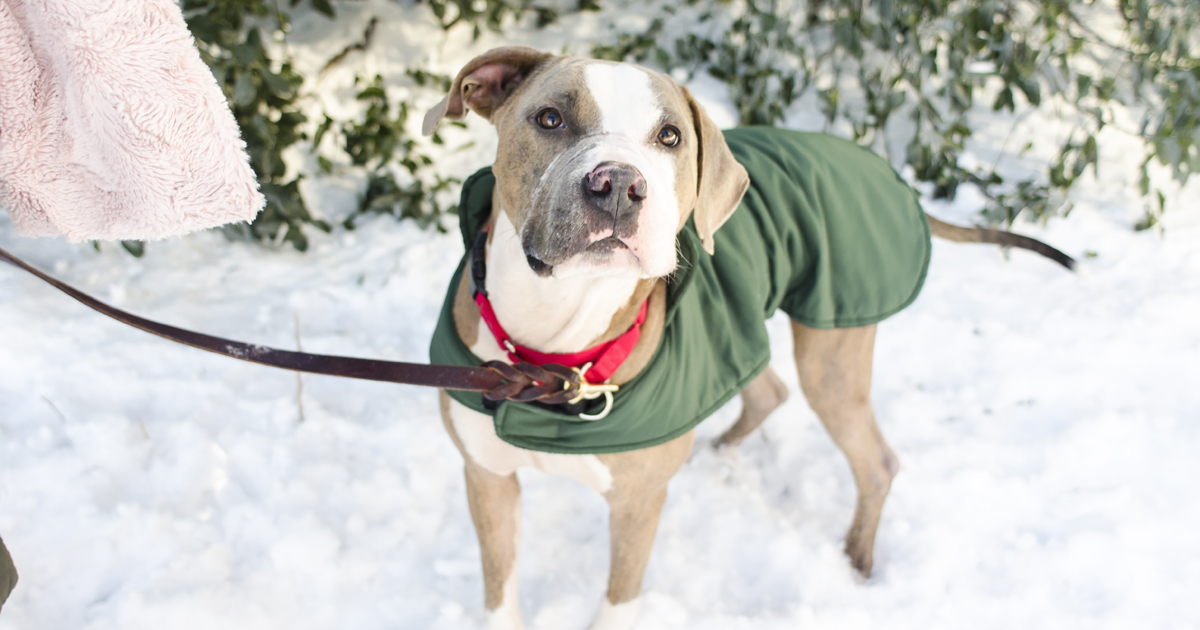
- Coats and Sweaters: Small breeds, short-haired pets, and older animals are more vulnerable to the cold. A well-fitting dog sweater or coat can help retain body heat and protect your pet from harsh winter conditions.
- Protect Their Paws: Snow, ice, and salt can be tough on your pet’s paws. Use dog boots to protect their paws or apply a pet-safe paw balm to create a barrier against salt and ice. After walks, wipe your pet’s paws to remove any ice or chemicals that may cause irritation.
- Watch for Signs of Frostbite or Hypothermia: Pets can develop frostbite on their ears, paws, and tails, particularly in extremely cold weather. Signs of frostbite include pale, gray, or blue skin, and the affected area may feel cold or firm to the touch. Hypothermia occurs when the body temperature drops too low and symptoms include shivering, lethargy, and weakness. If you suspect your pet is suffering from either condition, seek immediate veterinary attention.
3. Rain and Storms: Safety and Comfort for Your Pet
Rainstorms, floods, and thunderstorms can create additional challenges for pets, both due to the weather itself and the emotional stress pets may experience during storms.
- Create a Safe Haven: Many pets become anxious during storms due to loud noises or changes in atmospheric pressure. Create a comfortable and quiet space for your pet where they can feel safe. This can include a cozy bed in a room away from windows, a noise-canceling blanket, or a crate with their favorite toys.
- Stay Inside During Severe Weather: If you anticipate heavy rain, flooding, or thunderstorms, keep your pet indoors. Avoid taking your dog for walks during these times, as rain and storm conditions can be overwhelming and dangerous for them. In the event of flooding, always ensure your pet’s safety, as rushing waters can be hazardous.
- Thunderstorm Anxiety: If your pet suffers from anxiety during thunderstorms, you can try a thunder shirt, which applies gentle pressure to help them feel secure. There are also calming treats or pheromone diffusers available that can assist in alleviating anxiety.
- Proper Identification: Storms can sometimes cause pets to panic and run away, which is why it’s essential to ensure that your pet has proper identification, such as a collar with tags or a microchip, in case they become lost during severe weather conditions.
4. Prepare for Natural Disasters: Emergency Kits and Plans
While extreme weather conditions like hurricanes, tornadoes, or blizzards can occur suddenly, being prepared ahead of time can make all the difference in keeping your pet safe.
- Create an Emergency Kit: Just as you would prepare an emergency kit for your family, ensure you have one for your pet. This should include essential items such as their food, water, medication, grooming supplies, leash, waste bags, and first aid supplies. If your pet requires special medical treatment, be sure to have enough medication for several days.
- Know Your Evacuation Routes: If a disaster occurs, know where your pet can go and how you will evacuate. Some emergency shelters may not accept pets, so have a list of pet-friendly shelters or boarding facilities that can accommodate your animals if needed.
- Have a Plan for Outdoor Pets: If you have outdoor animals, like chickens, goats, or horses, create a safe, secure environment where they can take shelter from storms or freezing temperatures. You should also have a plan for their food, water, and healthcare during an emergency.
5. Monitor Their Health During Extreme Weather
During extreme weather conditions, be vigilant about monitoring your pet’s health. Pets are susceptible to stress, dehydration, and temperature-related illnesses that may go unnoticed if you’re not paying attention.
- Hydration: Always ensure your pet has access to fresh water, especially during hot or dry conditions. Dehydration can quickly set in, particularly during high heat.
- Appetite Changes: Extreme weather can affect your pet’s appetite, either through stress or changes in temperature. If your pet refuses to eat or shows signs of illness, consult a veterinarian to ensure they’re not suffering from heatstroke, frostbite, or another weather-related condition.
Final Considerations
Caring for your pet during extreme weather conditions requires awareness, preparation, and attentiveness. Whether you’re facing scorching heat or bitter cold, heavy rain, or powerful storms, your pet’s well-being should always be a priority. By taking appropriate precautions, ensuring they are safe, and watching for signs of stress or discomfort, you can help your pet thrive even in the harshest of weather conditions. With the right care, your pet will not only survive extreme weather but will continue to enjoy a happy, healthy life alongside you.