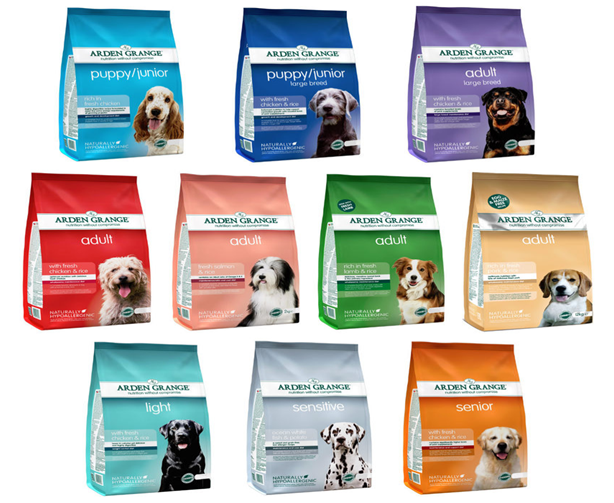


Feeding a companion animal is one of the most significant daily decisions a pet owner makes. The food placed in a pet’s bowl provides the biological foundation for their immune system, cellular repair, bone density, and overall energy levels. However, walking down the pet food aisle or browsing online retailers can feel overwhelming. Thousands of brands use clever marketing terms, vibrant packaging, and bold health claims to capture consumer attention.
To cut through the commercial noise, owners must understand that nutritional requirements are not static. A pet’s dietary needs change dramatically as they grow from a vulnerable newborn into an active adult and eventually transition into their senior years. Selecting the right diet requires an understanding of life-stage nutrition, reading labels critically, and matching nutritional profiles to an animal’s shifting metabolism.
The Growth Phase: Nourishing Puppies and Kittens
The nutritional foundation established during the first year of a pet’s life dictates their skeletal and organ health well into adulthood. Puppies and kittens grow at an astonishing rate, requiring a diet that differs significantly from adult maintenance food.
High Energy and Protein Demands
Because young animals are building muscle tissue, developing neural pathways, and burning immense amounts of energy through play, their diets must be calorie-dense and rich in high-quality proteins.
-
Amino Acids: Diets for growing animals require elevated levels of essential amino acids to support rapid muscle development and organ growth.
-
Healthy Fats: Fats provide the concentrated calories necessary to fuel a young animal’s high metabolic rate.
-
Omega Fatty Acids: Look for diets containing Docosahexaenoic Acid, an omega-three fatty acid typically sourced from fish oil. This specific compound is critical for healthy brain and retinal development in young animals.
The Precise Balance of Calcium and Phosphorus
For puppies, especially large and giant breeds like Great Danes, Mastiffs, or German Shepherds, proper mineral ratios are a matter of long-term mobility. Large breed puppies grow so rapidly that their skeletal systems can outpace their muscular support if they consume too many calories or improper mineral levels.
Puppy food designed for large breeds contains precisely calibrated ratios of calcium and phosphorus. If a large breed puppy eats standard adult food or generic puppy food with excessive calcium, they risk developing severe, irreversible orthopedic conditions such as hip dysplasia, hypertrophic osteodystrophy, or osteochondritis dissecans. Growth formulas ensure that bone development occurs at a safe, measured pace.
The Adult Maintenance Stage: Striking a Balance
Once a pet reaches physical maturity, their nutritional focus shifts from growth and development to maintenance and prevention. For most dogs and cats, this transition occurs around twelve to eighteen months of age.
Caloric Regulation and Preventing Obesity
Adult pets no longer require the dense caloric delivery of growth formulas. Continuing to feed a mature animal a puppy or kitten diet almost guarantees rapid weight gain and obesity, which places immense stress on their joints and internal organs.
Adult maintenance diets focus on stabilizing body weight while preserving lean muscle mass. The ideal adult diet features a highly digestible protein source as the primary ingredient, balanced with moderate fat levels and complex carbohydrates that provide sustained energy throughout the day.
Deciphering the Ingredient Statement
When choosing an adult pet food, looking past marketing buzzwords on the front of the bag is essential. Flip the packaging over to examine the ingredient statement and the guaranteed analysis panel.
Ingredients are listed by weight before processing. High-quality adult diets should list named animal proteins, such as chicken, beef, salmon, or lamb, as the first ingredients. Avoid foods that rely heavily on generic terms like animal fat or meat meal without specifying the source animal, as these definitions allow manufacturers to alter the formulation based on market prices rather than nutritional consistency.
The Golden Years: Supporting Senior Pets
As pets enter their senior years, which generally begin around age seven for dogs and age ten for cats, their internal biochemistry and activity levels change once again. Senior animals face a higher prevalence of chronic ailments, including arthritis, kidney insufficiency, and slowing metabolic rates.
Managing a Slower Metabolism
Many senior pets experience a drop in activity levels, meaning they require fewer daily calories to maintain a healthy weight. Senior specific formulations often contain lower fat percentages and higher fiber content. Fiber helps older animals feel full without overconsuming calories, while also aiding digestive motility, which can slow down with age.
Tailoring Diets for Chronic Conditions
Conversely, some senior animals, particularly aging cats, face the opposite problem: muscle wasting and unexplained weight loss. Older felines often lose their ability to digest proteins and fats efficiently, necessitating senior diets that are highly palatable and exceptionally easy to absorb.
Furthermore, many premium senior diets incorporate specific functional nutrients:
-
Glucosamine and Chondroitin: These compounds support joint cartilage, easing the discomfort associated with age-related osteoarthritis.
-
Antioxidants: Vitamins E and C help combat oxidative stress and support aging immune systems.
-
Controlled Phosphorus: Restricted phosphorus levels protect aging kidneys from overwork and slow the progression of early-stage renal decline.
The Role of AAFCO Statements
Regardless of your pet’s age, one of the most reliable indicators of a food’s nutritional adequacy is the Association of American Feed Control Officials statement, usually found in small print on the back or side of the bag.
The AAFCO statement verifies that the food is formulation-complete and balanced for a specific life stage. Look for phrases indicating the food is formulated to meet the nutritional levels established by the AAFCO Dog or Cat Food Nutrient Profiles.
Be cautious of foods labeled for all life stages. While these diets are technically safe, they must meet the highest nutritional thresholds required for growth and reproduction. This means an all life stages food is essentially a puppy or kitten food, which is often far too rich and calorie-dense for an underactive adult or senior animal.
Frequently Asked Questions
How do I know exactly when to transition my pet to the next life stage diet?
Transition timing depends largely on the animal’s breed, size, and individual development. Small dogs and cats generally reach maturity around twelve months of age, while giant dog breeds can continue growing up to twenty-four months. Always consult your veterinarian to evaluate your pet’s physical development and bone maturity before initiating a food transition.
What is the safest way to change my pet’s food without causing stomach upset?
Switching food abruptly can shock an animal’s digestive system, leading to diarrhea, vomiting, and refusal to eat. Implement a gradual transition over seven to ten days. Mix seventy-five percent of the old food with twenty-five percent of the new food for the first few days, move to a fifty-fifty split for days four through six, and finish with seventy-five percent new food until the transition is complete.
Should I choose wet food or dry kibble for my adult cat?
Both options offer specific benefits, and a combination is often ideal. Dry kibble is convenient, shelf-stable, and cost-effective. However, cats have a low natural thirst drive and derive much of their hydration from their prey. Wet food provides high moisture content, which is critical for preventing urinary tract issues and kidney disease in felines.
Are grain-free diets healthier for adult dogs?
Unless a veterinarian has diagnosed your dog with a specific grain allergy through an elimination diet, grain-free food is generally unnecessary. Whole grains like brown rice, oatmeal, and barley provide essential vitamins, minerals, and digestible fiber. Furthermore, veterinary investigations have linked certain grain-free diets rich in legumes and potatoes to an increased risk of canine dilated cardiomyopathy.
Why do some pet foods list meat meal instead of fresh meat?
Fresh meat contains high water content, often up to seventy percent. When fresh meat is cooked during manufacturing, that water evaporates, meaning the actual protein contribution shrinks considerably. Meat meal is meat that has been dehydrated and concentrated beforehand, offering a highly concentrated source of protein that does not shrink during production.
How can I tell if my pet’s current food is working well for them?
An animal’s external appearance reflects their internal nutrition. If a food is appropriate, your pet should exhibit a shiny, clean coat without excessive dander or shedding. Their energy levels should be consistent, their eyes bright, and their bowel movements firm, regular, and predictable. Frequent gas, loose stools, or chronic ear infections suggest a dietary mismatch.