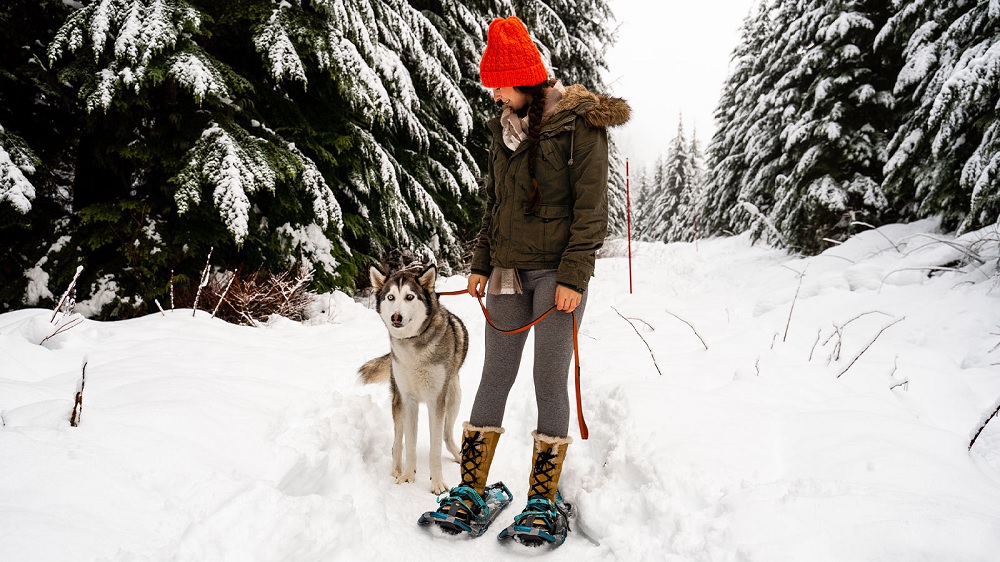

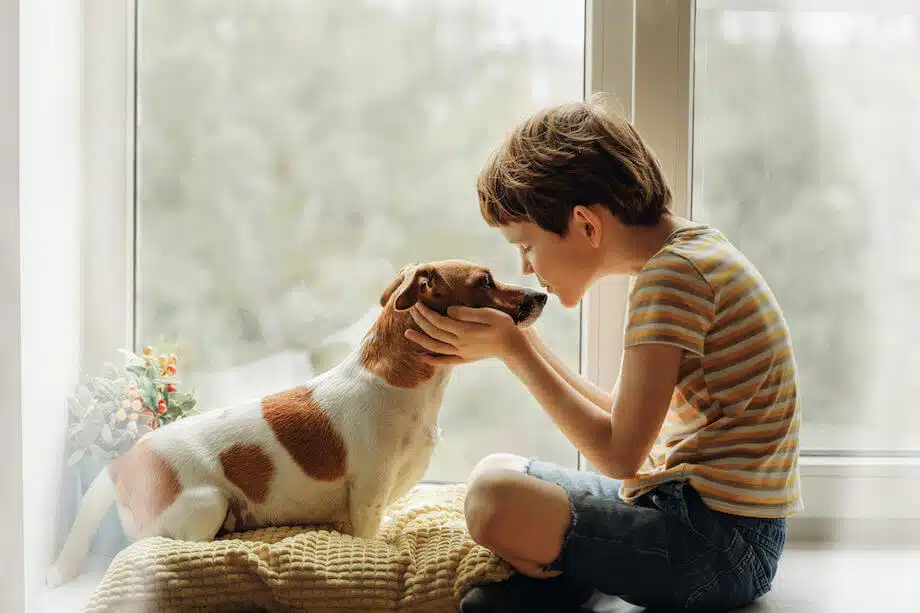
Childhood is a period of rapid growth, not just physically, but emotionally and socially. During these formative years, children learn to navigate complex feelings, build self-esteem, develop empathy, and form their initial understandings of companionship. While parents, teachers, and peers are foundational to this process, domesticated animals, specifically dogs, offer unique and powerful support. Growing up with a dog can significantly shape a child’s psychological well-being, providing an anchor of comfort and an active partner in emotional learning.
Unconditional Acceptance and Stress Reduction
One of the most profound ways a dog impacts a child is through non-judgmental companionship. Human relationships, even the most loving ones, come with expectations, rules, and evaluations. A child may feel judged by a teacher over a poor grade or criticized by a peer during playtime.
A Safe Space for Expression
Dogs offer complete and unconditional acceptance. They do not care about academic performance, athletic skill, or social standing. This creates a secure emotional refuge for children. When a child experiences frustration, sadness, or anger, sitting with a dog provides a safe environment to process those feelings without fear of criticism or misunderstanding.
Physiological studies demonstrate that interacting with a friendly canine triggers real biochemical changes. Petting a dog lowers cortisol levels, which is the hormone primarily responsible for stress. Simultaneously, it stimulates the release of oxytocin, a chemical associated with bonding, relaxation, and trust. For a child dealing with the anxieties of school or social transitions, the physical presence of a dog acts as a natural stabilizer.
Building Self-Esteem and Confidence
Developing a healthy sense of self-worth is a critical milestone in early life. Children who struggle with confidence can find an unexpected ally in a household pet.
The Non-Judgmental Audience
Dogs can serve as a catalyst for skill building, especially in areas where a child feels insecure. A prominent example is the development of reading skills. Many children experience severe anxiety when asked to read aloud in front of classmates or parents, fearing they will mispronounce words or read too slowly.
Programs that pair children with reading assistance dogs show remarkable results. When a child reads to a dog, they are sharing a story with an audience that listens attentively without correcting mistakes or showing impatience. This supportive environment allows children to build fluency, practice pronunciation, and develop a genuine love for reading, which directly translates to improved confidence in the classroom.
Mastering Social Skills Through Play
Playtime with a canine companion also builds physical and social confidence. Dogs require interactive engagement, whether through throwing a ball, playing tug-of-war, or navigating an outdoor path. Successfully training a dog to perform basic commands like sit, stay, or come gives a child a strong sense of agency and accomplishment. They see firsthand that their actions, tone of voice, and patience can influence another living creature positively, reinforcing their belief in their own capabilities.
Cultivating Empathy and Compassion
Empathy is the capacity to understand and share the feelings of another person. It is not an entirely innate trait; rather, it is a skill that must be practiced and nurtured over time. Living with a dog provides an ongoing, daily laboratory for practicing empathy.
Deciphering Silent Communication
Because dogs cannot speak, their needs must be inferred through body language and behavior. Children naturally begin to pay attention to these non-verbal cues:
-
Tail Position: A wagging tail can signal joy, while a tucked tail indicates fear or submission.
-
Vocalizations: A whine, a sharp bark, or a low growl communicate distinct emotional states or physical requirements.
-
Ear Movement: Perked ears show alertness and curiosity, whereas flattened ears often signal anxiety or distress.
By learning to read these signals, children develop perspective-taking skills. They begin to ask themselves questions like, Why is the dog hiding under the table? or Is the dog thirsty because it is panting? This practice of looking outside oneself to interpret the emotional and physical state of another creature forms the bedrock of human empathy. Children who demonstrate strong bonds with animals regularly score higher on empathy scales and show greater compassion toward their human peers.
Accountability and the Value of Routine
Emotional development is closely tied to a child’s growing sense of responsibility and structure. The daily care required by a canine companion introduces children to the concepts of accountability and selflessness.
Shared Caregiving Duties
While parents must always supervise pet care to ensure the animal’s safety, assigning age-appropriate tasks to children fosters a strong work ethic and a sense of duty. Younger children can take charge of placing a water bowl on the floor, while older children can handle portioning out meals or brushing the dog’s coat.
Participating in these routines teaches children that their actions matter to the survival and comfort of another being. It shifts their perspective away from purely self-centered desires toward a broader understanding of community and mutual care. Experiencing the direct consequence of their efforts, such as a well-fed, energetic dog showing excitement, provides an immediate, positive reward for responsible behavior.
Easing Social Transitions and Loneliness
As children grow, they encounter various social hurdles, such as moving to a new neighborhood, changing schools, or coping with family disruptions like divorce. During these times, dogs serve as social icebreakers and shields against loneliness.
Bridging the Gap Between Peers
Walking a dog in a public space like a park makes a child more approachable to other children. The dog acts as a natural conversation starter, providing a neutral topic for initial interactions. Children who might otherwise struggle to initiate a conversation find it much easier to talk to a peer when the focus is centered on a dog’s name, breed, or favorite tricks.
A Buffer Against Isolation
For an only child, or a child experiencing social isolation due to bullying or moving, a dog fills the void of a constant companion. The presence of an active, affectionate pet ensures that a child never returns to an empty, silent room. This reliable companionship mitigates the negative emotional impacts of loneliness, protecting the child’s mental well-being while they work through temporary social difficulties.
Frequently Asked Questions
Can a dog help a child who has experienced a specific psychological trauma?
Yes, specially trained therapy or service dogs are highly effective in supporting children recovering from trauma. These dogs are trained to detect physical indicators of panic or anxiety, such as a racing heartbeat or hyperventilation. When they sense these changes, they can perform deep pressure therapy by leaning against the child, creating a grounding physical sensation that helps regulate the nervous system and de-escalate emotional distress.
What are the emotional risks if a child loses a family dog?
The death of a beloved pet is often a child’s very first encounter with grief and mortality. While this loss is deeply painful, it serves as an important developmental milestone when handled with care by adults. Processing the death of a dog allows children to learn about mourning, express sadness openly, and understand the permanency of life cycles within a supportive family structure.
How do dogs benefit the emotional regulation of children on the autism spectrum?
Children on the autism spectrum frequently experience sensory overload and difficulty interpreting human social cues. A dog offers a predictable, simplified form of social interaction. The gentle, consistent presence of a canine companion can prevent sensory meltdowns by providing a calming sensory focus, helping the child feel anchored in overwhelming public environments.
Is there an ideal age for a child to get a dog to maximize emotional benefits?
While children of all ages benefit from growing up around dogs, the ages of five to eight are often considered optimal for introducing a family dog. At this stage, children possess the cognitive capability to understand basic training concepts, can read animal body language with guidance, and are physically capable of participating in daily care routines.
Can a dog help reduce sibling rivalry within a household?
Yes, a family dog can serve as a unifying point for siblings. Caring for the pet requires cooperation, such as taking turns walking the animal or feeding it. Shared affection for the dog creates positive, common memories, providing a neutral topic of joy that can bridge the gap between siblings who frequently argue over toys or parental attention.
How can parents prevent a child from developing fear if a dog barks or snaps?
Parents should proactively teach children how to approach and touch dogs safely, emphasizing respect for the animal’s personal space. If a negative interaction occurs, parents should calmly explain the dog’s perspective, pointing out that the animal was likely startled, tired, or protecting its food. Framing the behavior as communication rather than malice prevents irrational fears from taking root.