
Cats have woven themselves into the very fabric of human life, evolving from wild hunters to beloved companions. Their elegance, independence, and enigmatic nature have long captured the hearts and imaginations of people across the world. Whether lounging lazily in the sun or bounding across the living room in a playful frenzy, cats possess a unique blend of grace and mystery that continues to fascinate us. In this article, we explore the captivating world of cats, delving into their history, behavior, and the profound bond they share with humans.
A Brief History of Cats and Their Relationship with Humans
The relationship between cats and humans stretches back thousands of years, beginning with the domestication of wild cats in the ancient Near East. It is believed that around 9,000 years ago, early agricultural societies began to attract rodents, which, in turn, drew wild cats. Rather than being hunted, these wild cats found themselves welcomed by humans as they helped control the growing rodent populations. Over time, a mutual relationship developed: the cats provided a service, and humans offered food and shelter.
As the bond deepened, cats transitioned from their role as pest controllers to that of revered creatures. In ancient Egypt, cats were venerated and even worshiped as sacred animals. The goddess Bastet, often depicted with the head of a lioness or domestic cat, symbolized home, fertility, and protection. Killing a cat in ancient Egypt was considered a crime punishable by death. This reverence for cats spread through other civilizations, cementing their place in our homes and hearts.
The Feline Personality: Grace and Independence
Cats are known for their independent nature, a trait that has both intrigued and mystified humans. Unlike dogs, which have been bred for companionship and work, cats have retained much of their wild instincts, which gives them an air of mystery and autonomy. This independence is perhaps best exemplified in their behavior. A cat may choose to curl up in your lap one moment, and then, without warning, disappear into another room, as if to remind you that they answer to no one but themselves. This blend of affection and aloofness has led many to describe cats as “distant” or “unpredictable,” but this is merely a reflection of their self-sufficiency.
However, despite their independence, cats form deep, often unspoken bonds with their human companions. They may show their affection in subtle ways: rubbing their face against yours, purring contentedly when near you, or bringing you a “gift,” such as a mouse or bird they’ve caught. These small gestures are their way of showing gratitude and love. While they may not need constant attention, their quiet presence offers a sense of comfort and peace that is hard to replicate.
The Art of Communication: Understanding a Cat’s Language
One of the most intriguing aspects of cats is their complex communication system. Unlike dogs, who rely heavily on vocalizations to express themselves, cats use a more subtle mix of body language, vocal sounds, and behaviors. Their tail movements, ear positions, and even the way they blink can convey a range of emotions, from contentment to irritation to fear.
A raised tail, for example, is a sign of confidence and happiness, while a flicking tail indicates irritation or agitation. Cats also communicate through their eyes: a slow, deliberate blink is a sign of trust and affection, while dilated pupils may indicate excitement, fear, or aggression. These nuanced forms of communication require patience and observation from their human companions to truly understand.
One of the most iconic sounds a cat makes is its purr. While often associated with contentment, purring can also be a cat’s way of soothing itself when stressed or in pain. This range of vocalizations—ranging from the soft trill to the high-pitched meow—allows cats to express their needs and emotions in a way that goes beyond the spoken word.
The Health Benefits of Having a Cat
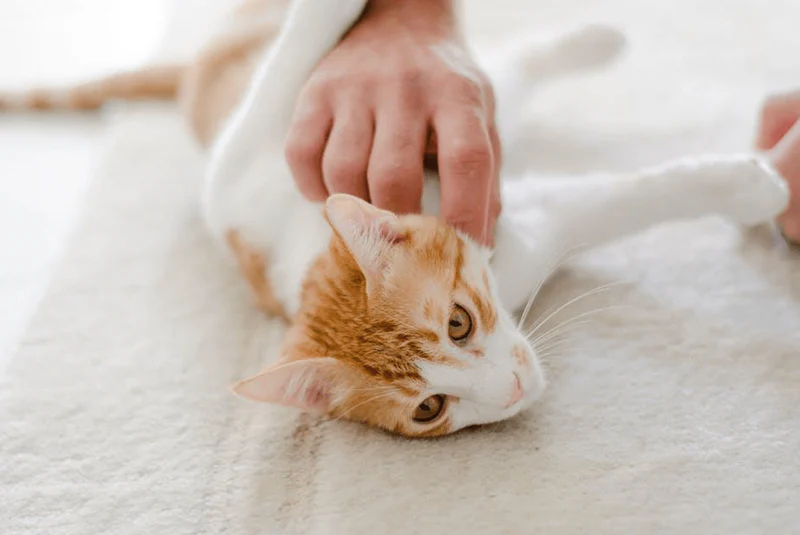
While the companionship of a cat is often emotionally rewarding, there are also significant physical and psychological health benefits to having a feline friend. Studies have shown that spending time with cats can help reduce stress, lower blood pressure, and promote a sense of well-being. The act of petting a cat, for instance, can trigger the release of oxytocin, the “love hormone,” in both the human and the cat. This mutual exchange of affection fosters a sense of connection and peace.
Cats also provide a comforting presence in times of loneliness or grief. Their quiet demeanor and unconditional companionship offer solace during challenging emotional periods. The rhythmic sound of a cat purring, in particular, has been shown to have a calming effect on the human nervous system, helping to alleviate anxiety and promote relaxation. In fact, studies have found that the frequency of a cat’s purr falls within a range that has therapeutic properties for bone healing and stress reduction.
Cats as Symbols in Popular Culture
Throughout history, cats have held significant symbolic meaning in various cultures. In some traditions, they are seen as protectors, warding off evil spirits and bad luck. In others, they represent mystery, independence, and beauty. The black cat, in particular, has been a figure of superstition, often associated with witches and the supernatural. Yet, in many cultures, black cats are considered to bring good fortune and are seen as symbols of prosperity.
In modern popular culture, cats have maintained their iconic status. From the mischievous Cheshire Cat in Alice’s Adventures in Wonderland to the internet sensation of Grumpy Cat, cats have proven to be endlessly adaptable to the needs of storytelling and entertainment. They embody a sense of mystery and wit that resonates with audiences around the world. The internet, too, has become a haven for feline content, with millions of cat videos and memes being shared daily. This viral phenomenon is a testament to the timeless charm of cats and their ability to connect with people on a deep, often humorous level.
Conclusion: The Timeless Allure of Cats
Cats are far more than just pets; they are companions, confidants, and symbols of grace and mystery. Their independent nature, combined with their subtle expressions of affection, has endeared them to countless generations of humans. From their role in ancient mythology to their status as modern-day internet stars, cats have always occupied a special place in our hearts and minds. Whether they are purring contentedly in our laps or observing the world from a windowsill, cats offer a unique blend of companionship and mystery that continues to captivate us. Their quiet presence reminds us of the value of independence, the beauty of silence, and the joy that comes from the most unexpected of friendships.