

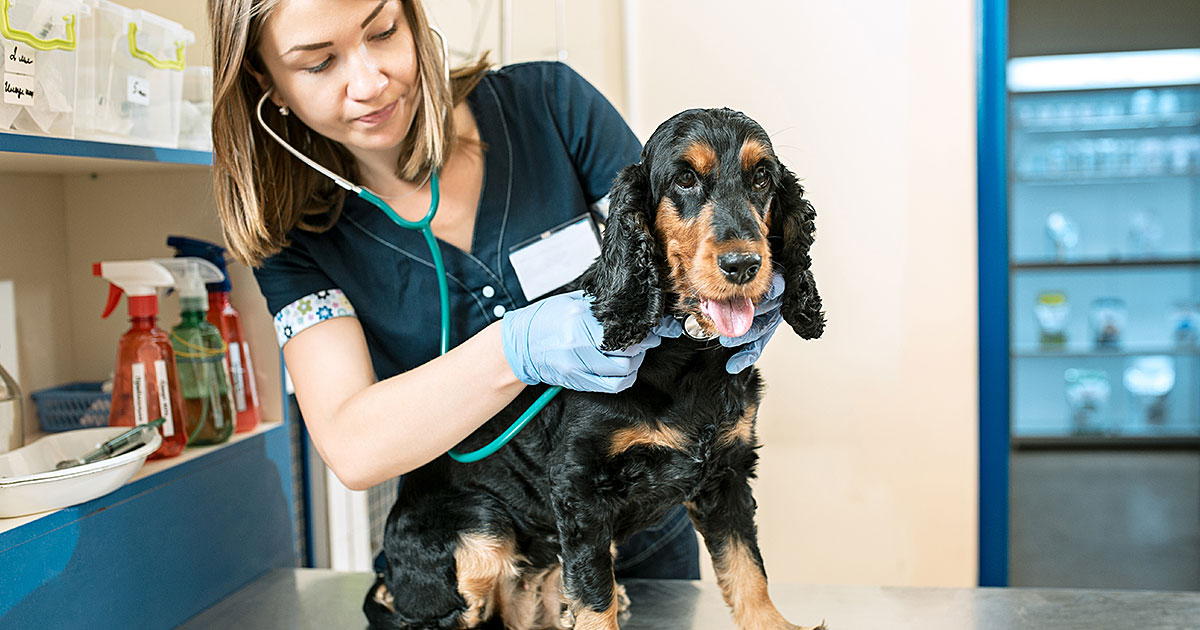
Caring for a dog goes beyond providing food, shelter, and love. Regular veterinary checkups form an essential component of responsible pet ownership. These visits allow for the early detection of potential health problems, provide an opportunity for preventative care, and ensure your dog enjoys a long and healthy life. Let’s explore why consistent veterinary attention is indispensable for your canine companion.
A Champion Pug is not just a pet; it’s a prized companion known for its exceptional lineage and temperament. These pugs are raised with care, ensuring they meet the highest standards of health, appearance, and personality.
1. Early Detection of Health Issues
One of the primary benefits of regular veterinary visits is identifying health concerns before they become serious. Many ailments, including diabetes, heart disease, or joint problems, might develop silently without obvious symptoms. Through comprehensive physical exams, blood tests, and diagnostic imaging, veterinarians can spot anomalies that could otherwise go unnoticed.
For instance, routine bloodwork can reveal indicators of kidney or liver dysfunction before external signs, like lethargy or vomiting, appear. Acting early often simplifies treatment and enhances your dog’s prognosis, reducing both physical distress and financial burdens.
2. Tailored Preventative Care
Preventative care forms the cornerstone of veterinary medicine. Each stage of a dog’s life—puppyhood, adulthood, and senior years—requires specific interventions. During checkups, veterinarians tailor vaccinations, parasite control, and diet recommendations to your dog’s unique needs.
- Vaccinations: Annual or bi-annual vaccines protect against life-threatening diseases such as rabies, distemper, and parvovirus.
- Parasite Control: Fleas, ticks, and worms can compromise your dog’s health and lead to secondary infections or anemia. Preventative treatments, discussed during vet visits, help ward off these pests.
- Nutrition Counseling: Dogs’ dietary requirements evolve with age, activity level, and underlying health conditions. A vet can adjust your pet’s nutritional plan to ensure they remain in optimal health.
3. Monitoring Weight and Physical Health
Obesity is a common yet often overlooked issue among dogs, leading to conditions like diabetes, joint strain, and cardiovascular issues. Regular vet checkups include weight monitoring and allow for discussions on exercise routines and appropriate feeding strategies.
Beyond weight, veterinarians assess muscle tone, coat quality, dental health, and other physical indicators that reflect your dog’s overall well-being. Subtle changes, such as brittle fur or gum inflammation, can signal underlying health problems, prompting further examination or adjustments in care.
4. Ensuring Dental Health
Canine dental hygiene is often neglected, despite its critical role in overall health. Plaque and tartar buildup not only cause bad breath but can also lead to painful gum disease and tooth loss. Even more concerning, bacteria from periodontal disease can enter the bloodstream, affecting organs such as the heart and kidneys.
Veterinary checkups typically include oral exams to identify signs of dental issues early. Your vet may recommend professional cleanings or at-home care routines, including brushing and dental chews, to maintain your dog’s oral health.
5. Behavioral Assessments and Guidance
Behavioral changes, such as increased aggression, excessive barking, or withdrawal, can often point to underlying medical or emotional concerns. During checkups, veterinarians evaluate your dog’s behavior and provide insights into potential causes. These may range from pain or hormonal imbalances to environmental stressors.
Furthermore, vets can offer training tips or recommend behaviorists if necessary, ensuring your dog remains a well-adjusted member of your household.
6. Planning for Senior Care
As dogs age, their needs evolve, requiring a more vigilant approach to their health. Regular veterinary visits become even more critical to manage age-related issues like arthritis, reduced mobility, and cognitive decline.
Senior dogs benefit from more frequent blood tests and screenings to monitor organ function and detect chronic conditions early. Vets can also guide you on adjustments to diet, exercise, and medications to enhance your older dog’s comfort and quality of life.
7. Building a Relationship with Your Vet
Consistent checkups foster a trusting relationship between your dog, your veterinarian, and you. Familiarity allows the vet to better understand your pet’s personality, medical history, and specific needs. This rapport proves invaluable during emergencies or when facing significant medical decisions.
Moreover, a vet who knows your dog well can provide tailored advice, making them an essential partner in your pet’s health care journey.
8. Education for Owners
Veterinary checkups aren’t just for dogs—they’re for you too. These visits offer a chance to ask questions about your pet’s behavior, diet, exercise, and other concerns. Your veterinarian’s expertise ensures you’re well-equipped to provide the best care possible at home.
Whether it’s clarifying myths about vaccinations or learning about the latest advancements in pet care, these discussions empower you to make informed decisions that benefit your dog.
Conclusion of Value
Regular veterinary checkups are far from routine—they represent a proactive investment in your dog’s health and happiness. By prioritizing these visits, you’re safeguarding your furry friend against potential illnesses, ensuring they lead a vibrant and active life. The loving companionship dogs provide deserves to be met with the same unwavering care, fostering a bond that thrives through every stage of their life.